Queen Elizabeth National Park is Uganda’s most visited savanna park, and for good reason. In one park you get open plains with lions and kob, a channel full of hippos, a forested gorge with chimpanzees, volcanic craters and a tropical forest with a bat cave. This guide explains how the park fits together, so you can choose what to do and how long to stay.
The park in brief
Covering about 1,978 km² between Lake George and Lake Edward, the park was set up in 1952 as Kazinga National Park and renamed two years later after Queen Elizabeth II’s visit. It straddles the Equator and has recorded more than 95 mammal species and over 600 bird species. See our Queen Elizabeth park page for the key facts.
The sectors
- Kasenyi. Open grassland in the north-east, and the best area for classic game drives. Large herds of Uganda kob gather here, which draws lions, and you may see elephants, buffalo and warthogs.
- Mweya. A peninsula above the Kazinga Channel and Lake Edward, and the park’s hub. The Kazinga Channel launch leaves from here, and the explosion craters and Lake Katwe are close by.
- Ishasha. The remote southern sector, famous for its tree-climbing lions, topi and buffalo. It lies on the road to Bwindi’s Buhoma sector.
- Kyambura. On the eastern edge, the Kyambura Gorge cuts deep into the savanna and shelters a chimpanzee community.
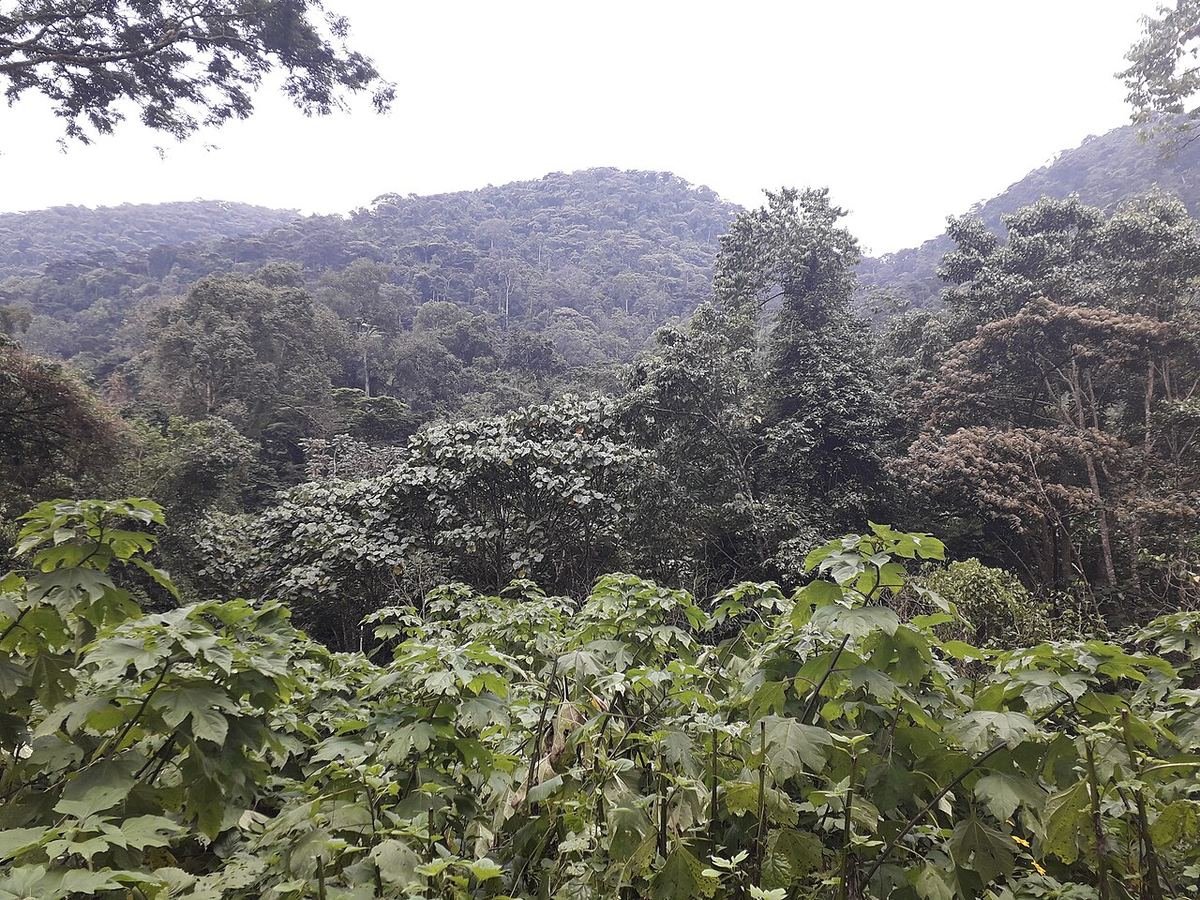
- Maramagambo. A large tropical forest in the south-east, with crater lakes, primates and the famous bat cave.
Activities and 2026 fees
Figures below are for foreign non-residents on the Uganda Wildlife Authority’s current tariffs; we confirm them when we book.
- Park entrance: US$40 per person per 24 hours.
- Game drives: early morning and late afternoon on the Kasenyi plains and in Ishasha.
- Kazinga Channel launch: US$30 per person, about two hours.
- Kyambura Gorge chimp tracking: US$100 in 2026, rising to US$200 from 1 January 2027. Sightings are less certain than in Kibale.
- Lion tracking with researchers: US$200 in 2026, rising to US$500 from 2027. Read about lion tracking.
- Mongoose tracking (US$30) and the hippo census (US$100): hands-on experiences with research teams.
- Crater drive, Lake Katwe and nature walks in Maramagambo.
- Birding: with more than 600 species recorded, the park is superb for birds, from the channel’s waterbirds to forest species in Maramagambo and grassland birds on the plains.
Where to stay
Where you sleep shapes your days, as the park is large and the sectors are far apart.
- Mweya Safari Lodge (mid-range): the classic lodge above the channel, next to the launch jetty.
- Katara Lodge (mid-range): open-fronted cottages with Rift Valley views.
- Simba Safari Camp (budget): good value near the crater area.
- Kyambura Gorge Lodge (luxury): a boutique lodge beside the gorge.
- Ishasha Wilderness Camp (luxury): tents on the Ntungwe River, ideal for the tree-climbing lions.
More options are on our accommodation page.
How many days do you need?
- Two nights is the minimum: a morning game drive in Kasenyi, the afternoon launch, and time for Kyambura or the craters.
- Three nights is ideal: add a night in Ishasha on the way to Bwindi.
- Four nights suits wildlife lovers and birders who want lion tracking, Maramagambo and a slower pace.
For a bigger picture of trip length, see how many days you need for a Uganda safari.
Good to know
- The park is about 6 to 7 hours by road from Kampala, or 2 to 3 hours from Kibale and Fort Portal. Scheduled flights serve Kasese and the Mweya airstrip.
- Game viewing is good all year, and best in the drier months of June to September and December to February.
- Distances inside the park are long. Ishasha is a few hours’ drive south of Mweya, so we plan your lodges around the sectors you most want to see.
- Night drives and off-track driving are restricted, and a UWA ranger or a qualified guide adds a lot to game drives.
- The classic route is Kibale (chimps) → Queen Elizabeth → Ishasha → Bwindi (gorillas).
- On the drive in, you’ll cross the Equator.
Queen Elizabeth rewards time: the longer you stay, the more of its many faces you’ll see. Tell us your interests and dates, and we’ll design a route through the sectors that suits you.
Found this useful? Send it to someone planning a trip.