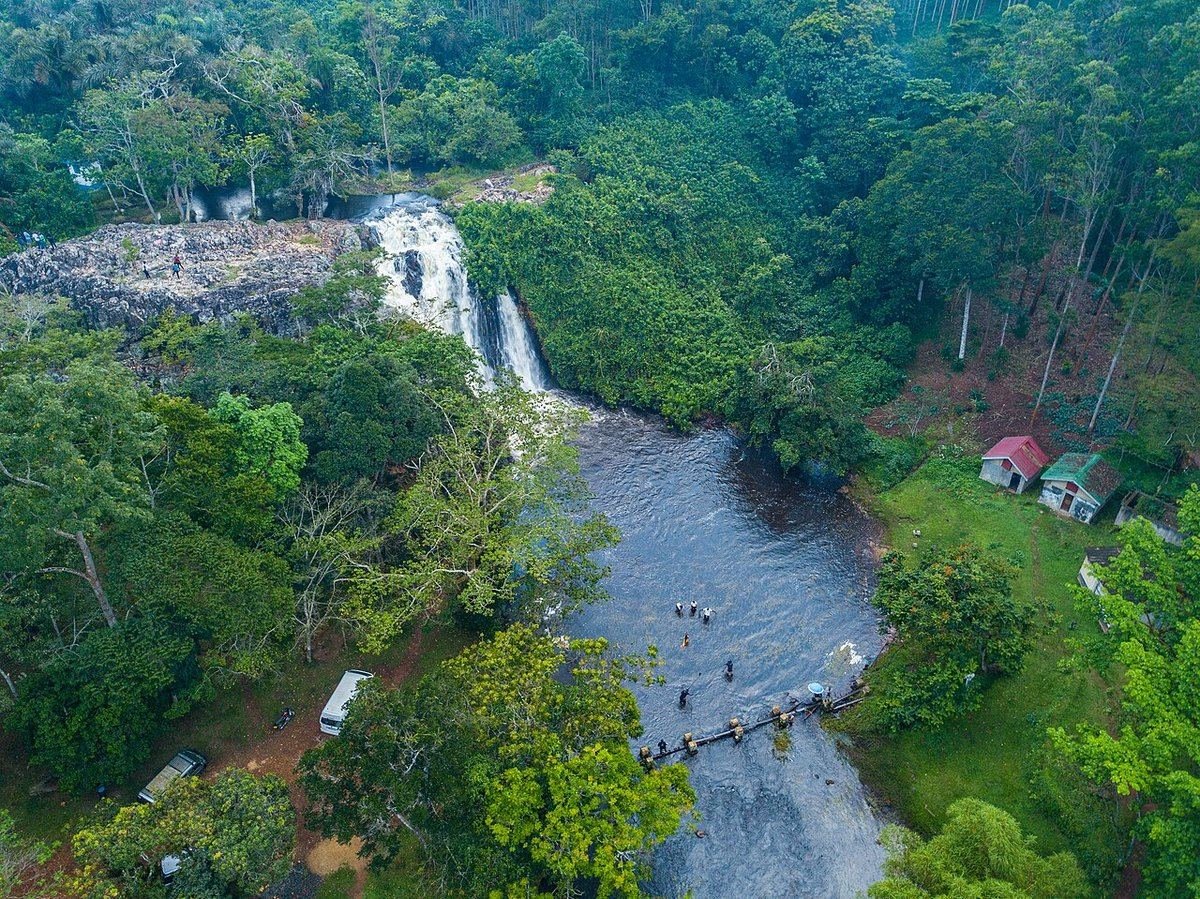
Ssezibwa Falls is not Uganda’s biggest waterfall, or its most dramatic. But few places in the country have such a memorable story, and few are so easy to reach from the capital. Tucked into a wooded valley in Mukono District, just off the Kampala–Jinja highway, it’s a peaceful half-day escape and a window into the beliefs of the Buganda Kingdom.
The legend of the twin rivers
According to Buganda tradition, a woman named Nakangu was expecting twins. When her time came, she did not give birth to children. Instead, two streams of water flowed from her. One became the Ssezibwa river, and the other the Bwanda.
The two rivers set off in different directions. Bwanda flowed smoothly towards the east, while Ssezibwa had a harder journey westwards, blocked again and again by obstacles. Its name is often linked to this struggle: in the story, the river found its way “blocked” but kept going, pushing on until it tumbled over the rocks at what is now the falls.
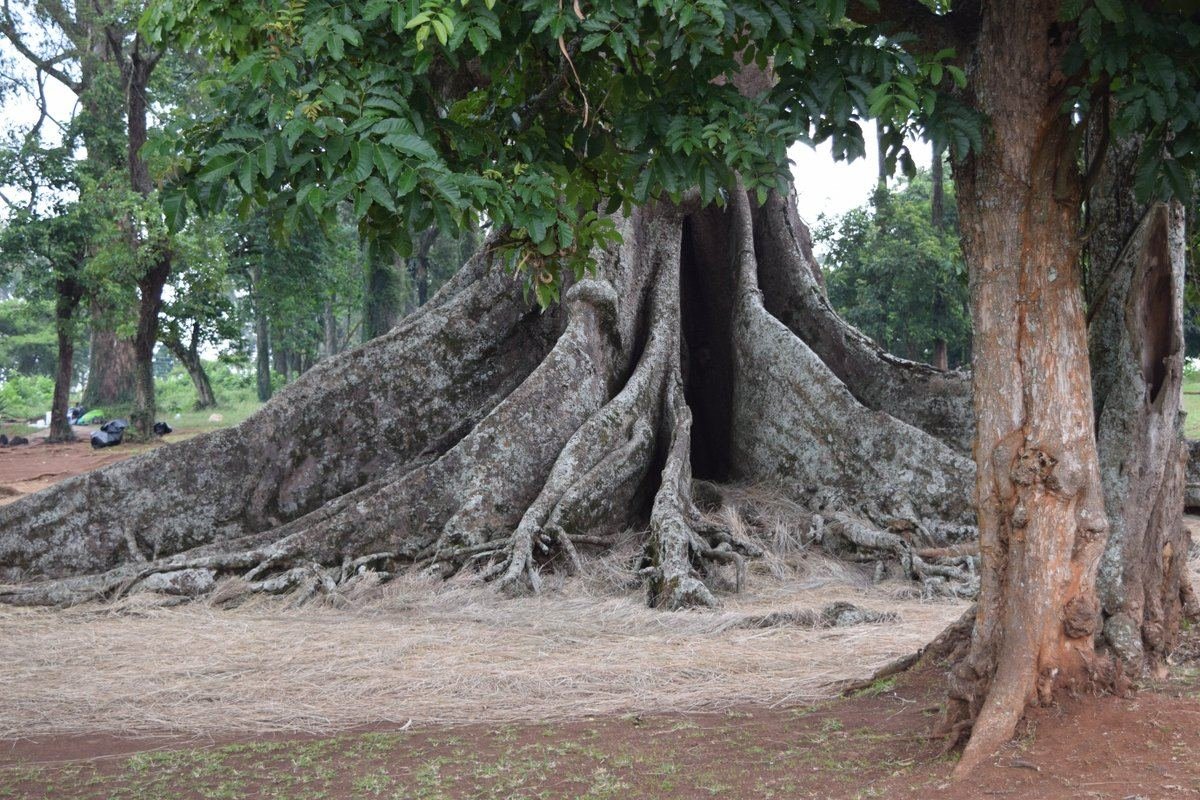
Because of this birth, the river is regarded as a sacred twin. In Ganda culture twins have special spiritual significance, and the spirits of Ssezibwa and Bwanda are believed to live in the waters. As with any legend, you’ll hear slightly different versions depending on who tells it.
A place of blessings
For generations, people have come to Ssezibwa to ask the spirits for blessings: for children, good health, success in business or exams, or a happy marriage. Traditional healers keep shrines near the falls, and you may see offerings, bark cloth, or people performing rituals. Members of the Buganda royal family have also visited over the years, and the site is recognised as a Buganda heritage site.
What to see and do
- The falls: the river pours over a series of rocky steps into a pool. It’s most impressive during and just after the rains.
- Guided walk: a local guide tells the legend and shows you the shrines and viewpoints.
- Nature: the wooded gardens attract birds, butterflies and monkeys. Keen birders should bring binoculars.
- Rock climbing: the rock faces are sometimes used for climbing and abseiling, usually with local outfitters. Ask us to check what’s running.
- Picnic: it’s a pleasant place to sit by the water with lunch.
- Photography: the best views of the falls are from the rocks below and the path above. Soft morning light works well, and the river is at its fullest in the rainy seasons, roughly March to May and September to November.
A sample half-day from Kampala
- Early morning: leave Kampala before the rush hour builds, heading east on the Jinja road.
- Mid-morning: arrive at Ssezibwa and walk the site with a local guide. Hear the legend, visit the viewpoints above and below the falls, and look for birds and monkeys in the trees.
- Late morning: relax by the water, or picnic in the gardens.
- Afternoon: head back to Kampala, or continue east through Mabira Forest to Jinja for a sunset boat trip on the Nile.
If you only have one spare day at the start or end of a safari, this is one of the gentlest ways to see some countryside and learn a little about Buganda beliefs without a long drive.
Visiting respectfully
- Don’t photograph people praying or at the shrines without permission.
- Don’t touch or move offerings.
- Dress modestly and keep noise down, especially near the shrines.
- Take your litter home.
Practical tips
- Distance: about 35 km east of Kampala. Depending on traffic, allow around an hour or more each way.
- How long: one to two hours on site is plenty.
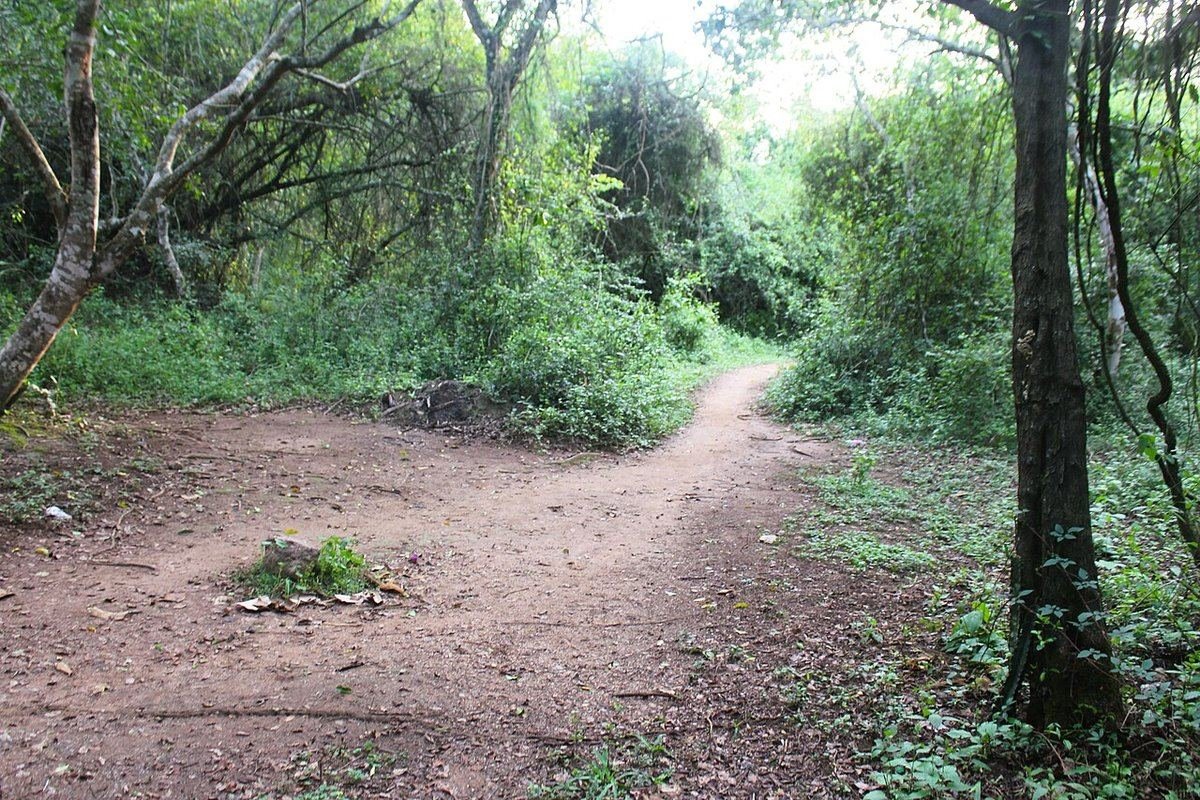
- Paths: the steps and rocks near the water can be slippery, so wear shoes with good grip.
- Fees: there is a small entrance fee. We’ll confirm the current amount.
- Combine it: Ssezibwa sits on the road to Jinja, so it makes an easy stop on the way to the Source of the Nile, Mabira Forest or rafting on the Nile.
Whether you have a spare morning in Kampala or you’re heading east to Jinja, Ssezibwa is a lovely detour. See our Ssezibwa Falls page, then let us know your dates and we’ll arrange a driver-guide and a relaxed day out.