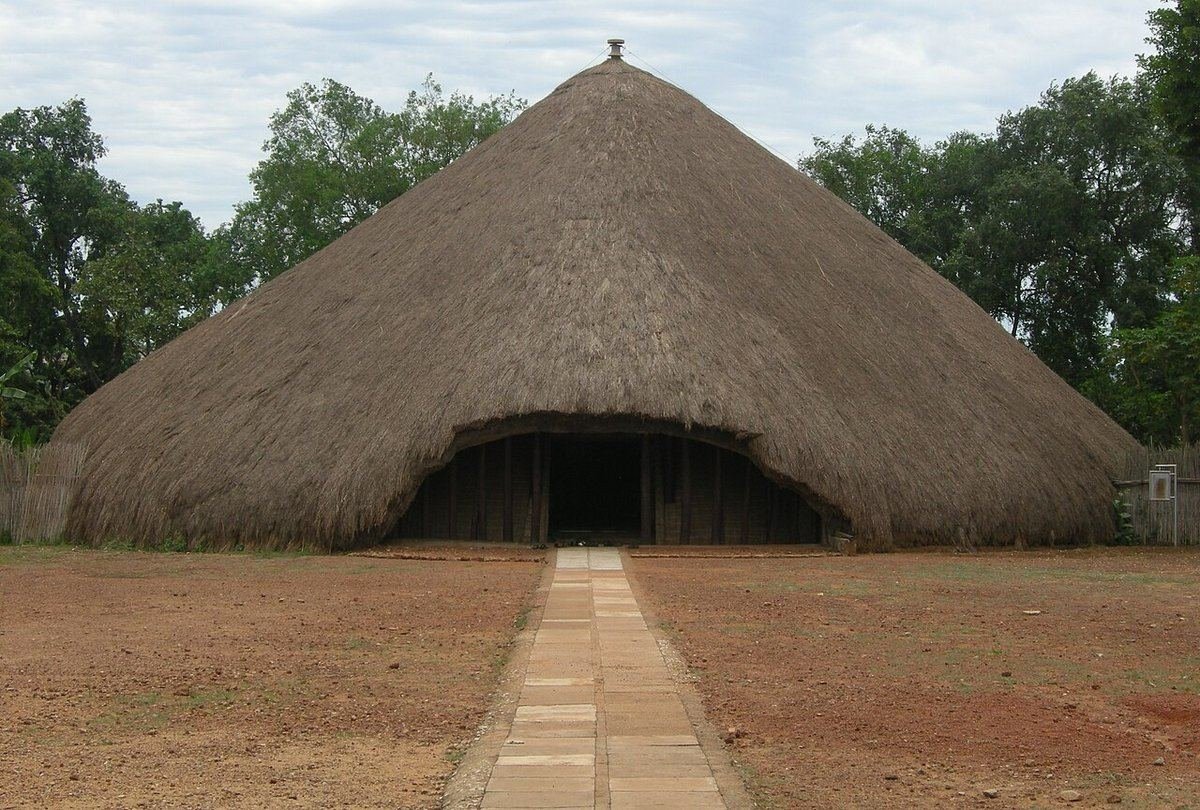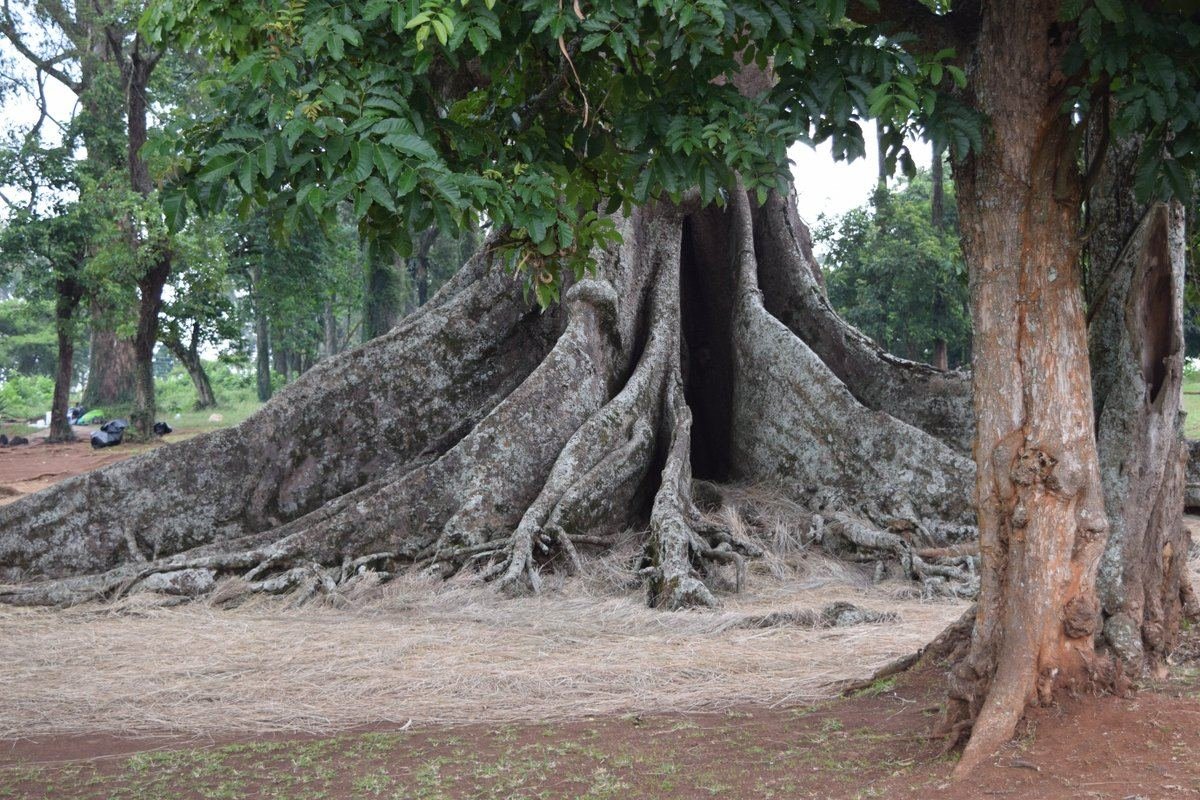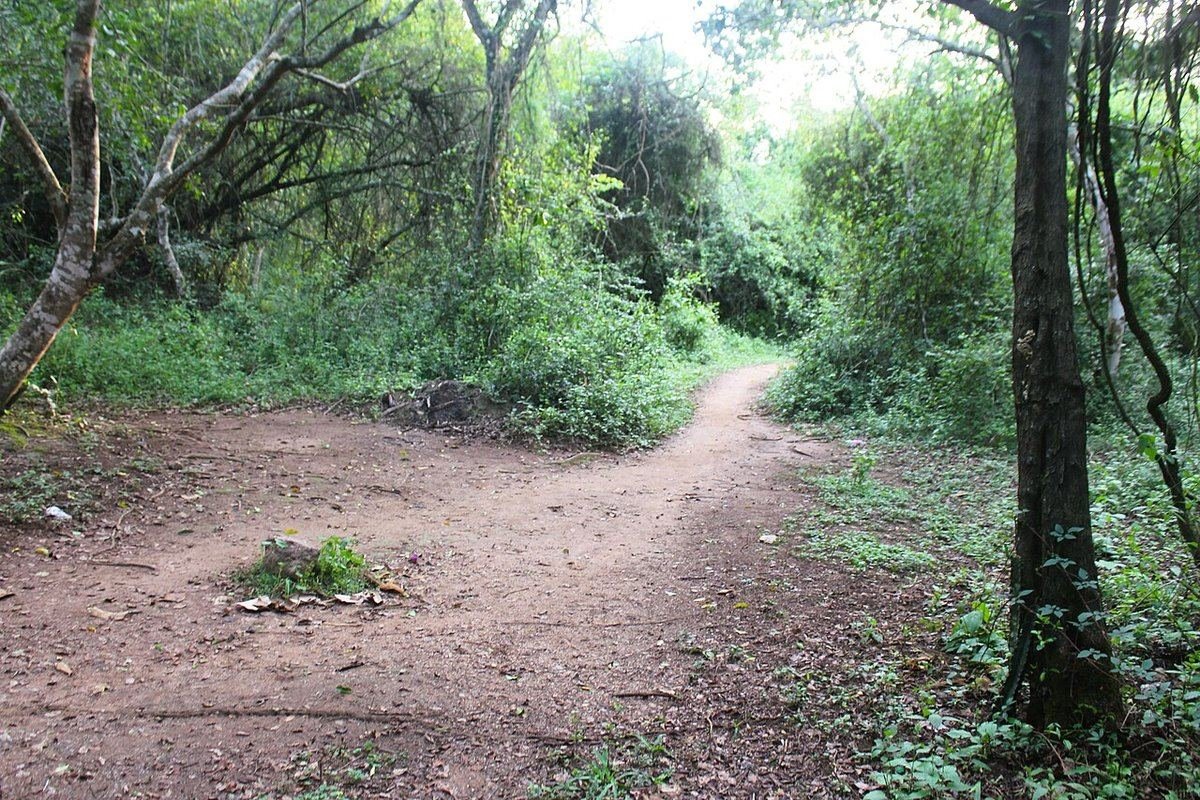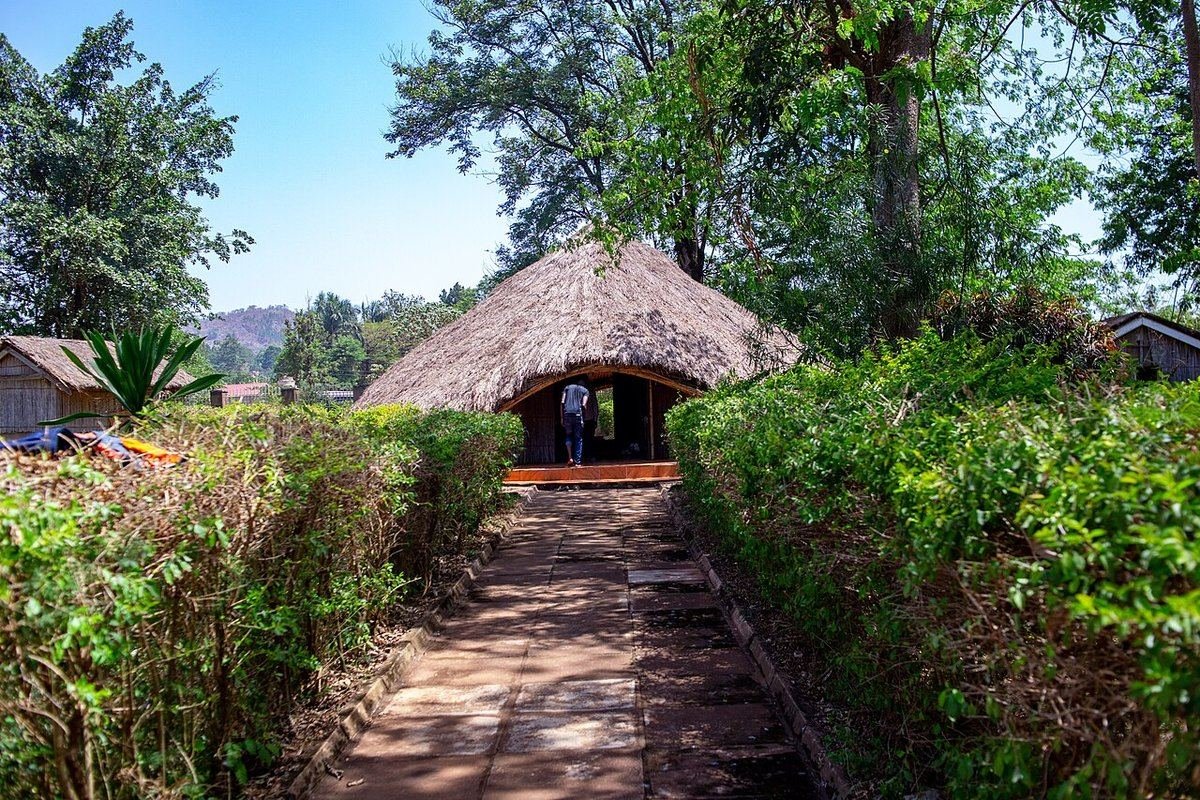
A few kilometres outside Hoima, on the road to Masindi, a thatched tomb house stands in a quiet compound of hedges and trees. Inside lies one of the most celebrated figures in Ugandan history: Omukama Chwa II Kabalega of Bunyoro-Kitara, the king who fought British colonial expansion for most of the 1890s. The Mparo Royal Tombs are small and simple, but the story they tell is a big one.
Bunyoro-Kitara
Bunyoro is one of the oldest kingdoms in the Great Lakes region. Its rulers, the Babiito dynasty, trace their authority back through the legendary Bachwezi to the ancient empire of Kitara. At its height Bunyoro was one of the most powerful states in the region, rich in salt, iron and cattle. By the mid-19th century it faced rising pressure from its neighbour Buganda, from traders coming down the Nile from the north, and from European powers.
Kabalega, the resisting king
Kabalega became Omukama in 1870 after a bitter succession struggle. He built a strong standing army, the Abarusura, and set about restoring Bunyoro’s power.
- 1872: the explorer Samuel Baker tried to annex Bunyoro for Egypt. After fighting near Masindi, Baker was forced to retreat.
- 1894: Britain declared war on Bunyoro. Allied with Buganda’s forces, British troops invaded, and Kabalega fought a long guerrilla war, retreating north into Lango and Acholi country.
- 1899: in April, Kabalega was captured together with Kabaka Mwanga II of Buganda, who had also turned against the British. Both were exiled to the Seychelles.
- 1923: after more than two decades in exile, Kabalega was allowed to return. He died at Jinja on the way home, in April 1923, and was buried at Mparo.
The war devastated Bunyoro. Large areas of its land were handed to Buganda under colonial rule, the origin of the “lost counties” dispute that lasted into the 1960s. Kabalega, once cast as a villain by colonial writers, is now honoured as a national hero. Murchison Falls was even renamed Kabalega Falls for a time in the 1970s, and today his name is on streets and institutions across the country.
Who is buried at Mparo
- Omukama Chwa II Kabalega (died 1923).
- Sir Tito Gafabusa Winyi IV, his son, who ruled Bunyoro from 1924 until 1967, when Uganda’s kingdoms were abolished. He is the father of the current Omukama, Solomon Gafabusa Iguru I, who was crowned when the kingdom was restored in 1994.
- Other members of the Bunyoro royal family.
Bunyoro today
Uganda’s traditional kingdoms were abolished in 1967 and restored as cultural institutions in 1993. Today the Omukama of Bunyoro has no political power, but the kingdom plays an important role in culture, language and identity, and its palace, the Karuziika, stands in Hoima. The region is changing fast, with new roads and oil development around Lake Albert, which makes places like Mparo all the more important as anchors of memory.
What you see
Inside the tomb house, the graves are covered with bark cloth and surrounded by royal objects: spears, shields, drums, pipes, pots, baskets and other items said to have belonged to the kings. A custodian explains who is buried where and tells the story of Kabalega’s wars. A visit usually takes under an hour, but it’s worth giving time for questions.
Visiting etiquette
- Remove your shoes before entering the tomb house.
- Dress modestly and speak quietly. This is a sacred site of the Bunyoro Kingdom.
- Follow the custodian’s guidance. Traditional customs apply, and some restrictions on who may enter can surprise visitors. Accept them politely.
- Ask before photographing inside.
- Leave a small offering or donation if you wish. It’s appreciated, but never demanded of visitors.
Practical tips
- Location: about 4 km from Hoima town, along the Hoima–Masindi road.
- Fees: a small fee or donation is usually expected. We’ll confirm current rates.
- Combine it: Mparo is an easy addition to a trip to Murchison Falls National Park or the Kabwoya Wildlife Reserve on Lake Albert. See our things to do in Murchison Falls guide.
For anyone who wants to understand how Uganda came to be, Kabalega’s story is essential. Let us know you’d like to stop at Mparo, and we’ll build it into your journey to the north-west.
Found this useful? Send it to someone planning a trip.