In the quiet ranchlands of Ssembabule District, on the southern bank of the Katonga River, lies what many archaeologists consider Uganda’s largest and most important ancient monument. Bigo bya Mugyenyi (also spelled Bigo bya Mugenyi) is a vast system of hand-dug ditches and banks, built around 600 years ago and woven into the legends of the Bachwezi. It’s not a spectacular sight in the way a waterfall is, but for anyone interested in Africa’s deep past it’s a fascinating place.
What is Bigo?
Bigo means something like “fort” or “enclosure”, and Mugyenyi is usually translated as “the stranger” or “the visitor”. The site is a network of trenches that together run for more than 10 kilometres, enclosing several inner areas with smaller earthworks and mounds. The outer ditches are wide, and in places still a few metres deep, dug straight into the ground with iron tools.
Excavations led by the archaeologist Merrick Posnansky in 1960 recovered thousands of pottery fragments and iron objects. Radiocarbon dates from charcoal place the main construction roughly between AD 1300 and 1500. The site is on Uganda’s tentative list for UNESCO World Heritage status.
The Bachwezi connection
Local tradition links Bigo to the Bachwezi, the legendary rulers of the ancient kingdom of Kitara. In the oral histories, the Bachwezi were a remarkable dynasty of cattle-keeping kings who ruled a large area of what is now western and central Uganda, and then vanished. Some stories say Bigo was one of their capitals or royal enclosures, built to protect people and cattle.
Archaeologists are more cautious. The earthworks were clearly the work of a large, organised society that kept cattle and worked iron, and the dates fit the period when the Bachwezi stories are set. But whether the builders were the Bachwezi of legend is still debated. We think the honest answer, and the more interesting one, is that nobody knows for sure.
Why it matters
Think about the effort involved. Digging kilometres of deep ditches by hand, with iron hoes and baskets, needed a great many people working together over a long time, and someone with the authority to organise them. Bigo is some of the clearest physical evidence that powerful, well-organised states existed in this region centuries before the first European travellers arrived. That makes it an important counterweight to old colonial ideas that Africa had no history before outsiders came.
What you actually see
It’s important to set expectations. There are no stone walls or ruined buildings at Bigo. What you’ll find is:
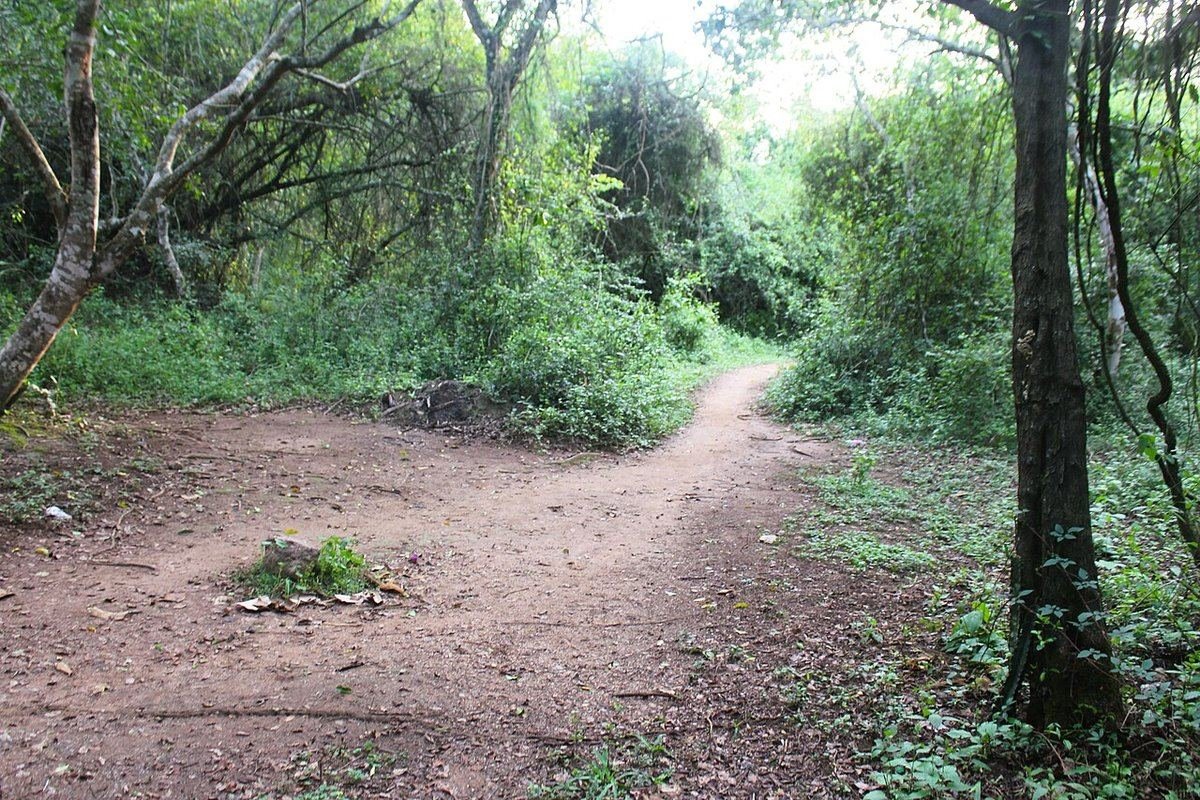
- The trenches themselves, now softened by centuries of erosion and grown over with grass, bush and trees. With a guide you can walk along sections of them and get a sense of their scale.
- The Katonga River and its papyrus swamps, which formed a natural defence on one side.
- Shrines used by people who still honour the Bachwezi spirits. Offerings, bark cloth and small shelters are a reminder that this is a sacred place for some, not just an archaeological site.
- Wide views over rolling grassland and cattle country, which are lovely in the early morning or late afternoon.
Visiting respectfully
- Go with a local guide. They know which areas are sacred and the stories behind them.
- Ask before photographing shrines or people, and don’t touch offerings.
- Dress modestly and follow any customs the custodians ask you to observe.
- Stay on paths and don’t dig, remove pottery or climb on fragile banks.
Practical tips
- Remote roads: Bigo is well off the main tourist routes, reached on murram (dirt) roads that can be rough after rain. A 4x4 and an experienced driver-guide make all the difference.
- Wear sturdy shoes, long trousers, a hat and sun cream. Bring water and snacks, as there are no facilities on site.
- Fees: expect to pay a small community or guiding fee. We’ll confirm it when we plan the trip.
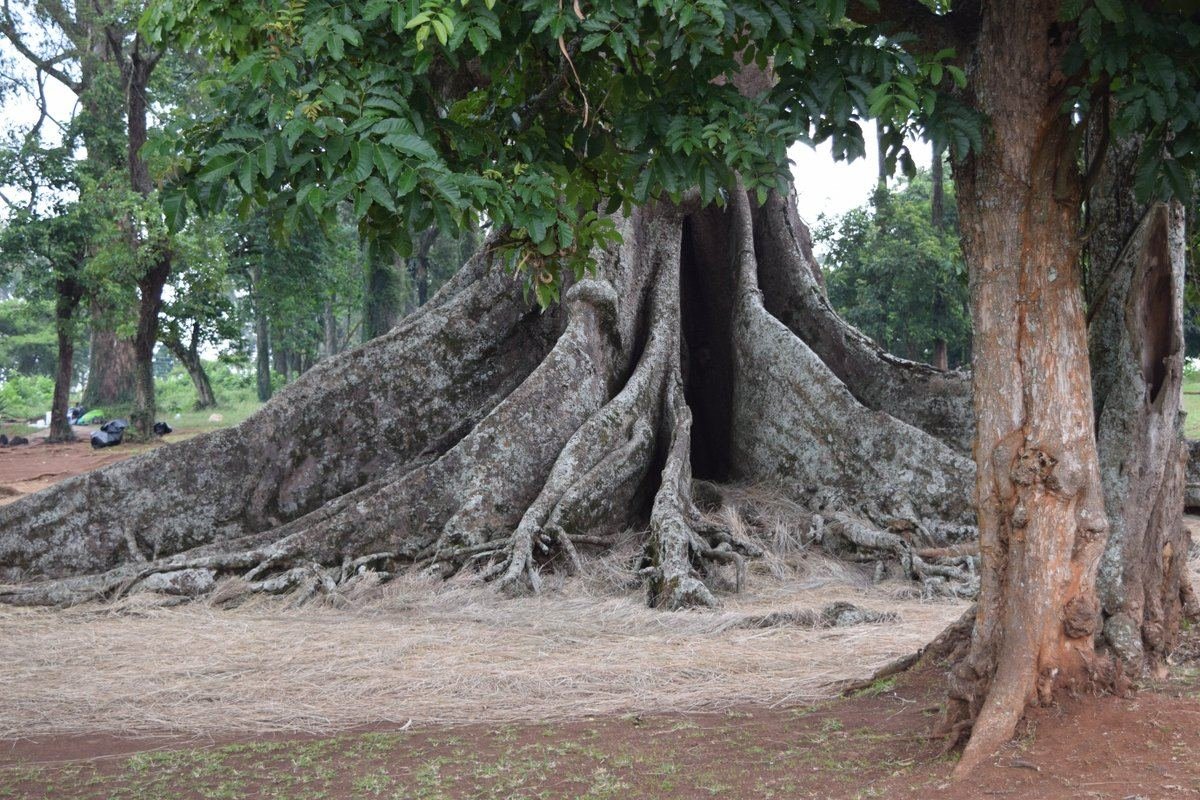
- Combine it with Lake Mburo National Park, the Katonga Wildlife Reserve further along the same river, or the Nakayima Tree at Mubende, another site tied to the Bachwezi.
Bigo bya Mugyenyi rewards travellers who enjoy history and don’t mind going off the beaten track. If that sounds like you, let us know and we’ll plan a route that fits it in comfortably, with a guide who can bring the earthworks to life.
Found this useful? Send it to someone planning a trip.