Long before gorilla trekking, national parks or tourist lodges, the forests of south-western Uganda were home to the Batwa. For many travellers, meeting Batwa guides and hearing their story is one of the most thought-provoking parts of a gorilla safari. It can also be one of the most uncomfortable, and that’s part of why it matters to do it well.
Who are the Batwa?
The Batwa are among the oldest inhabitants of the Great Lakes region of Africa, living today in Uganda, Rwanda, Burundi and DR Congo. In Uganda, most live in the south-west, around Bwindi, Mgahinga and the Echuya forest. For generations they were forest people: they hunted small game with nets and bows, gathered honey, fruit and medicinal plants, and knew the forest intimately. Their spiritual life was bound up with it too, with sacred sites, caves and trees.
The Batwa are a small minority. Official estimates put their number in Uganda at several thousand people.
Losing the forest
In 1991, Bwindi Impenetrable and Mgahinga Gorilla were made national parks to protect the mountain gorillas. The Batwa who still lived and hunted in the forests were required to leave. Human rights organisations and the Batwa themselves have documented that this happened without their consent and without land or compensation for most families. Many became landless, working as labourers on other people’s farms.
This history sits uncomfortably alongside the gorilla conservation success story. Both are true. Since then, churches, charities, Batwa organisations and the Uganda Wildlife Authority have worked on land purchase, schooling, healthcare and tourism projects, but the Batwa remain among the poorest communities in Uganda.
Where to have a Batwa experience
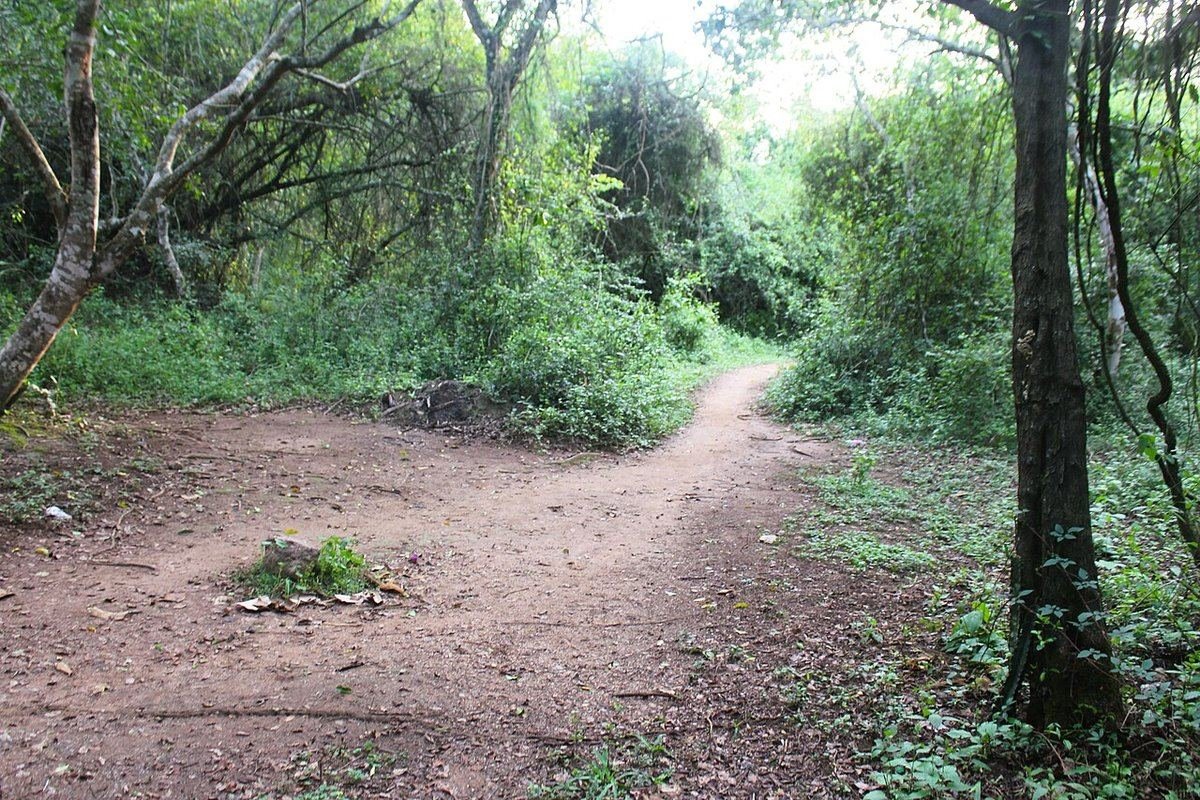
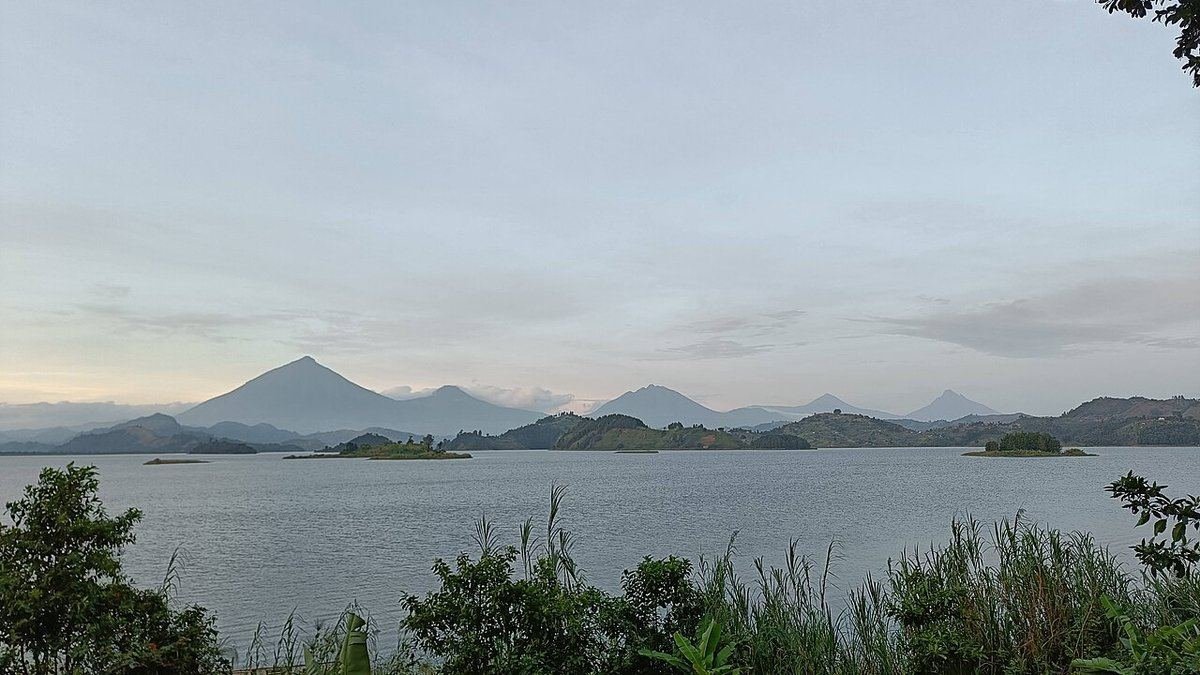
- The Batwa Trail, Mgahinga Gorilla National Park. Batwa guides lead a walk through their ancestral forest on the slopes of the Virunga volcanoes. They show how they hunted and gathered, which plants they used for food and medicine, and how they made fire. The walk ends at Garama Cave, a sacred place once used as a refuge and a meeting place, where the guides often sing. Fees are shared with the Batwa community.
- The Batwa Experience near Buhoma, Bwindi. Run by the Batwa Development Program, which grew out of the work of Dr Scott and Carol Kellermann, this takes place on community land on the forest edge near Buhoma. Batwa hosts share their history, traditional skills, music and dance. Income from the experience supports the community’s education, health and livelihoods.
- Community-run lodges. Near the Mgahinga gate, the Amajambere Iwacu Community Camp supports Batwa families, and at Buhoma the Buhoma Community Rest Camp is community-run.
What to expect on the day
Expect a mix of walking, demonstration and conversation. Guides may show you how to set a traditional trap, find edible plants, collect honey or light a fire by hand, and explain how their families lived before 1991. Many visits end with songs and dances, and there’s usually time for questions. Some of the stories are hard to hear. The best experiences don’t hide that, and they leave space for the Batwa to talk about their lives today as well as the past.
How to visit ethically
- Choose Batwa-led experiences where the community has a real say and a real share of the money. Be wary of informal “pygmy village” stops set up by middlemen.
- Use respectful language. The Batwa prefer to be called Batwa (singular Mutwa). The word “pygmy” is widely considered offensive.
- Ask before taking photographs, and accept a “no”. Put the camera down during songs if you’re asked to.
- Don’t hand out sweets, money or gifts to children. If you’d like to give, ask us or your guide about supporting a school or community fund.
- Listen more than you look. This is a chance to hear a people’s own account of their history, not a performance of the past.
- Buy crafts directly from Batwa makers. Baskets, bags and carvings are beautiful souvenirs.
Good to know
- Both experiences take around half a day and suit most fitness levels, though the Batwa Trail climbs on uneven, muddy paths.
- They fit easily around a gorilla trek in Bwindi or Mgahinga, or golden monkey tracking in Mgahinga.
- Prices change, so we’ll confirm current fees when we book.
A Batwa experience adds depth and honesty to a gorilla safari. See our guide to Bwindi’s four sectors to work out where it fits, then talk to us and we’ll include a Batwa-led visit that benefits the community.
Found this useful? Send it to someone planning a trip.