Buganda gave Uganda its name, and Kampala sits right in the middle of it. The Baganda are the country’s largest ethnic group, and their language, Luganda, is the one you’ll hear most on the streets of the capital. Even a short city stay is a chance to see Kiganda culture up close.
Origins and how the group came to be
The Baganda tell their beginning through Kintu, the first man, who married Nambi, a daughter of Ggulu, the lord of the sky. Her brother Walumbe, death, followed them to earth. Our post on the Tanda pits tells that story. Over the centuries a small state on the shores of Lake Victoria grew into the most powerful kingdom in the region.
Every Muganda belongs to a clan, passed down through the father. Tradition speaks of 52 clans, each with a totem, often an animal or plant, that members must not eat or harm. You can’t marry within your own clan. The kingdom was abolished in 1967 and restored in 1993, when Ronald Muwenda Mutebi II was crowned the 36th Kabaka on 31 July at Naggalabi, Buddo. He still reigns today, with a parliament, the Lukiiko, and a Prime Minister, the Katikkiro.
Day-to-day life
In the villages around Kampala, most homes have a banana garden, and many grow coffee too. Greetings matter and can take a while. Traditionally women and children kneel to greet elders, though younger Ugandans in town now debate this. For weddings and big days, women wear the gomesi, a long dress with puffed shoulders and a sash, and men wear the white kanzu, often with a jacket. Barkcloth, beaten from the bark of the mutuba fig, is still made for ceremonies and is recognised by UNESCO.
Weddings and marriage customs
A Kiganda marriage usually starts with a quieter visit, often called kukyala, when the families get to know each other and the bride’s ssenga (her father’s sister) plays a big part. The main event is the kwanjula, the introduction. The groom arrives at the bride’s family home with relatives and a spokesman, bringing gifts such as sugar, soap, meat and cloth. The two spokesmen trade jokes and polite challenges for hours, and the bride’s female relatives come out in groups before she finally appears. Bride wealth is agreed between the families.
Today a kwanjula can be a huge event with tents, matching outfits and hundreds of guests. Many couples follow it with a church or mosque wedding, often after a kasiki, a party on the eve of the big day.
Rituals and ceremonies
- Naming: at okwalula abaana, clan elders gather to give children their clan names and welcome them into the clan.
- Twins: the parents of twins take the titles Nalongo and Ssalongo. Twin boys are often called Waswa and Kato, twin girls Babirye and Nakato. The legend of Ssezibwa Falls is a twin story.
- Last funeral rites: okwabya olumbe closes the mourning period and installs the heir.
- The Kabaka’s coronation anniversary each July, and his birthday in April, marked with the Kabaka Birthday Run.
Music, dance and storytelling
The best-known Kiganda dance is Bakisimba, all fast hip movement over a steady drum beat. Nankasa and Muwogola are close cousins. Drums, engoma, are everywhere, and royal drums announce the Kabaka. Listen too for the amadinda and akadinda log xylophones, the endingidi tube fiddle, the ennanga harp and the endere flute. Folk tales and proverbs are still told to children, and many carry a lesson about respect and clan.
Food and culinary experiences
The heart of a Kiganda meal is matooke, green bananas steamed in banana leaves and mashed. It comes with groundnut sauce, beans or meat. Luwombo, chicken, beef, fish or mushrooms steamed in a banana-leaf parcel, was once food for the royal court and is still made for special days. In the rainy season, look for nsenene, fried grasshoppers. See our guide to what to eat in Uganda.
Cultural experiences for visitors
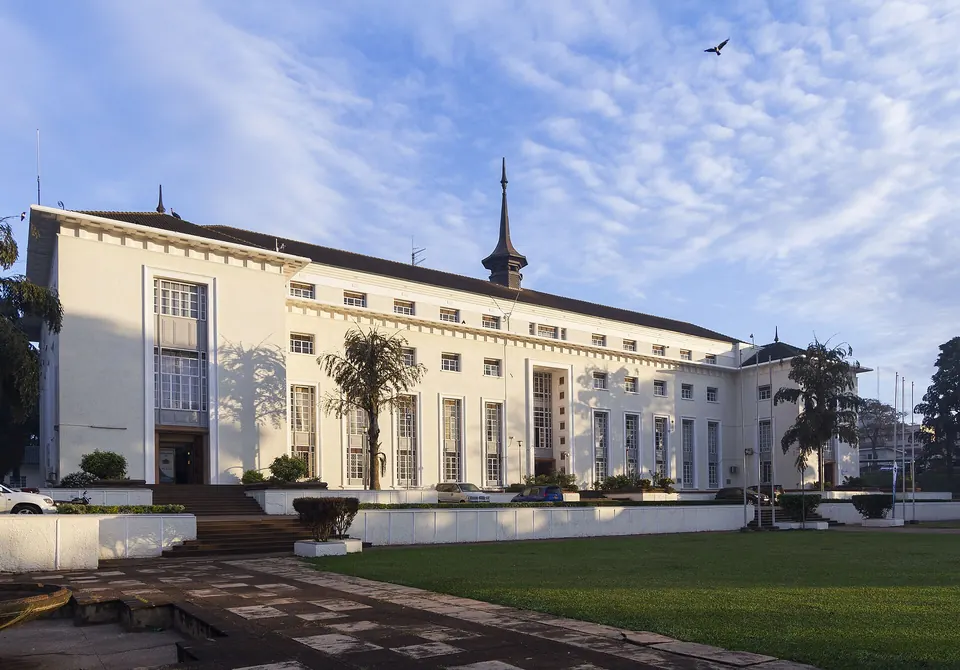
- Walk the royal mile from the Bulange, the kingdom’s parliament, to the Lubiri and Kabaka’s Lake.
- Visit the Kasubi Tombs, a UNESCO World Heritage Site. Our Kasubi guide explains what you’ll see.
- See Bakisimba and dances from across Uganda at the Ndere Centre, and barkcloth and instruments at the Uganda Museum.
- Dress modestly at royal sites, take shoes off where asked and follow your guide. Our etiquette guide has the basics.
Found this useful? Send it to someone planning a trip.