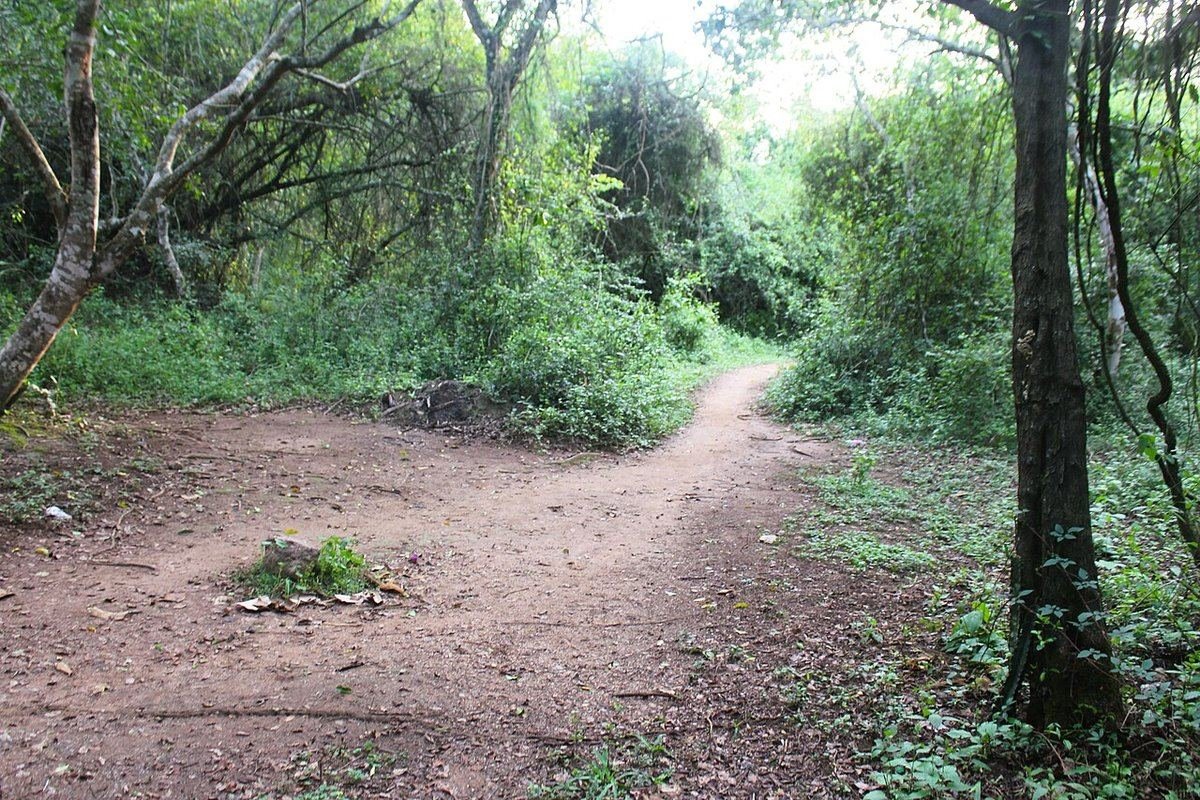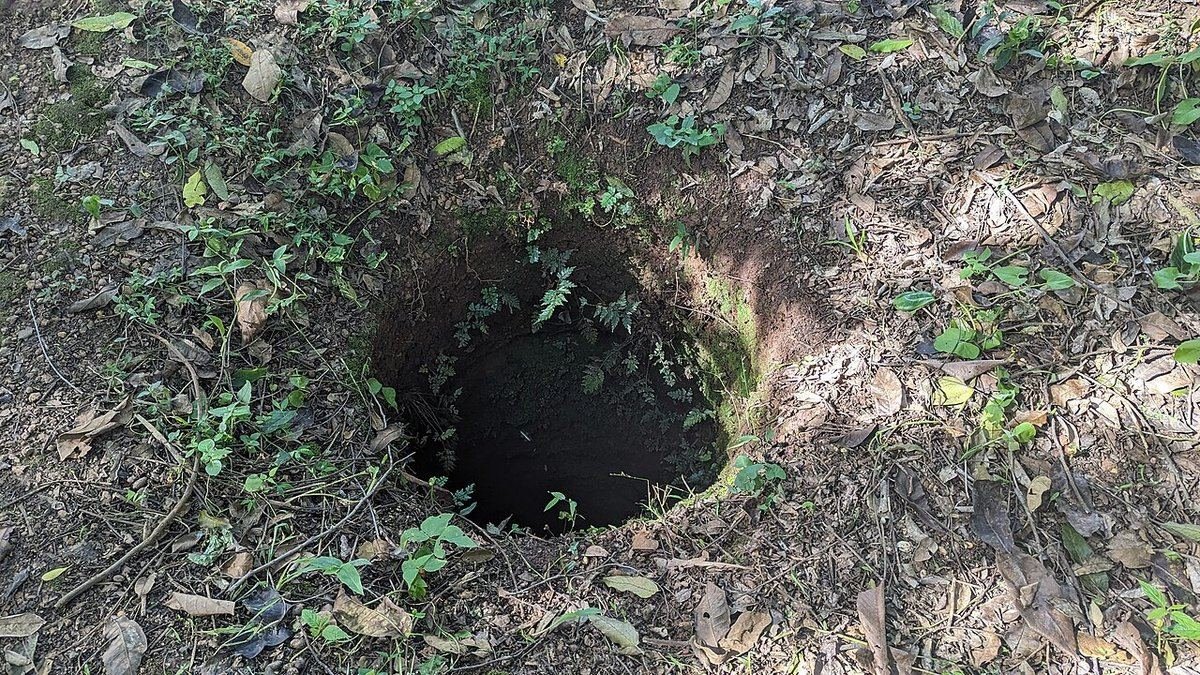
West of Kampala, off the road to Mityana, a patch of land is dotted with deep, round holes in the ground. To archaeologists they are old mine shafts. To the Baganda they are something more: the place where Walumbe, Death himself, hid in the earth. The Tanda pits (often written Ttanda) are one of the most atmospheric places to learn about the founding myth of Buganda.
The legend of Kintu and Nambi
In the Buganda creation story, Kintu was the first man on earth. He lived alone with his cow, living on its milk. Up in the sky lived Ggulu, the creator, with his children. One of them, his daughter Nambi, came down to earth, met Kintu and fell in love with him.
Ggulu did not easily approve. He set Kintu a series of difficult tests, and with cleverness and some help, Kintu passed them all. Ggulu agreed to the marriage, but gave the couple a warning: leave quickly and quietly, and do not come back for anything, or Nambi’s brother Walumbe will follow you. Walumbe’s name comes from the Luganda word for illness and death.
On the way down, Nambi realised she had forgotten millet to feed her chicken. Against Kintu’s wishes, she went back for it. Walumbe saw her and followed the couple to earth. At first all was well, but as Kintu and Nambi’s children grew up, Walumbe began to take them, and so sickness and death came into the world.
Kintu appealed to Ggulu, who sent another son, Kayikuuzi, to bring Walumbe back. Kayikuuzi chased his brother, and Walumbe escaped by burrowing into the ground, popping up in one place after another. The holes he dug are said to be the pits at Tanda. In the end Kayikuuzi gave up, and Walumbe stayed on earth. The story is often told to explain why death is part of human life.
Why Kintu matters
Kintu is more than a character in a myth. In Buganda tradition he is also remembered as the first kabaka, and the royal line traces its descent from him. Many of Buganda’s clans link their origins to people who came with Kintu. So the story told at Tanda is not only about how death arrived. It’s also about where the kingdom and its people came from.
The pits today
The site contains a large number of shafts, many partly filled by erosion over time. The clearest are around a metre across and several metres deep. Historians who have studied them believe they are old iron-ore workings, dug by people extracting ore long ago. That doesn’t take away from the legend. For many visitors, knowing both explanations makes the place richer.
Tanda is also a living spiritual site. There are several shrines dedicated to different spirits, including a main shrine covered in bark cloth, and people come to pray, make offerings and seek healing or blessings. Traditional healers and custodians look after the site. You may see goats, chickens, coffee beans or other offerings.
Visiting respectfully
- Visit with a guide or custodian, who will tell the story and show you where you can go.
- Stay well back from the pits. They are deep, often hidden by vegetation, and not fenced.
- Ask before taking photos, especially of shrines and of people praying.
- Don’t touch offerings, and follow any customs you’re asked to observe, such as removing shoes at a shrine.
- Dress modestly, with shoes you can walk in over uneven ground.
Practical tips
- Where: Tanda lies about 45–50 km west of Kampala, a short way off the Kampala–Mityana road. Older guides place it in Mpigi District. Today it falls within Mityana District.
- How long: allow about an hour on site, plus one to two hours’ drive each way from Kampala, depending on traffic.
- Fees: there is a small entrance fee. We’ll confirm the current amount.
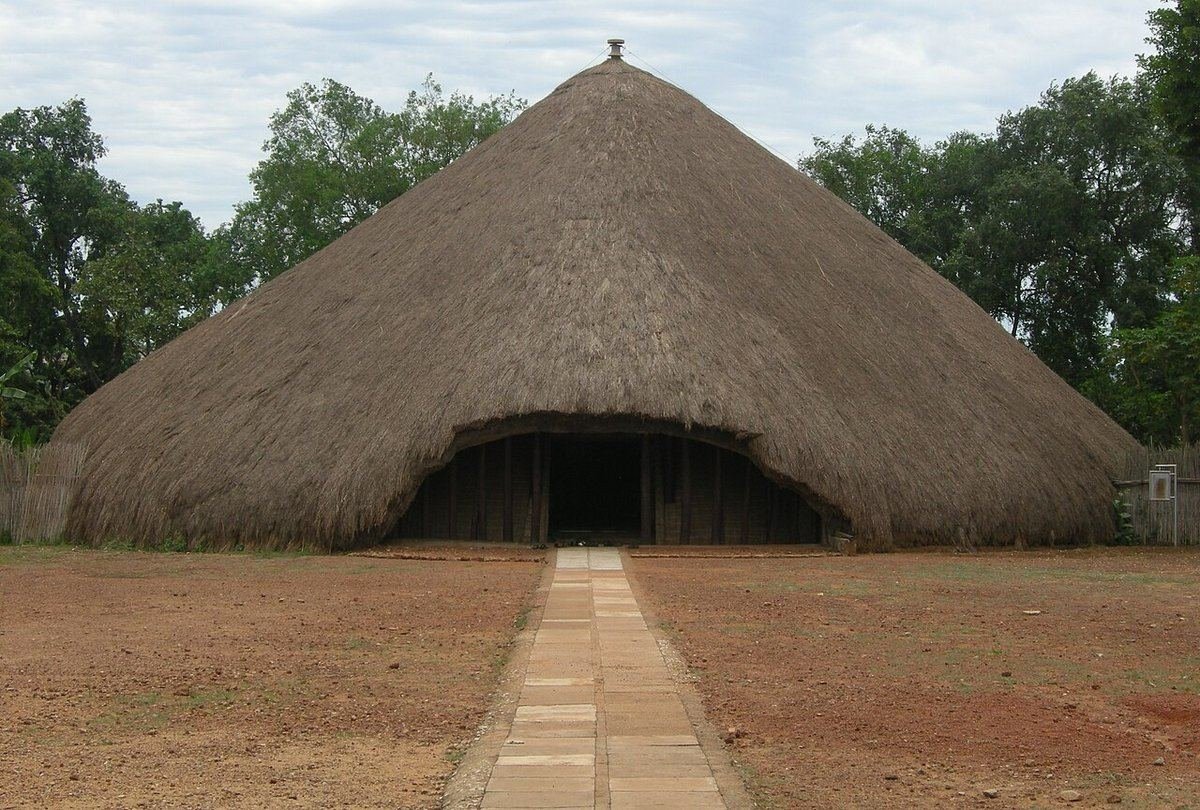
- Combine it: Tanda fits well on the road west towards Fort Portal and the Nakayima Tree at Mubende, or as a Kampala day trip with the Kasubi Tombs.
The tale of Kintu, Nambi and Walumbe is at the heart of Buganda identity, and hearing it told beside the pits is unforgettable. Ask us about adding Tanda to a cultural day and we’ll arrange a guide who knows the stories well.
Found this useful? Send it to someone planning a trip.