Uganda is famous for gorillas and savanna, but its history is just as rich: ancient kingdoms, rock art, legends of the Bachwezi, the arrival of explorers and missionaries, and the struggles of the colonial and post-independence years. Many of these stories are told at sites that fit easily into a safari. Here are ten we recommend, from the capital to the far north.
In and around Kampala
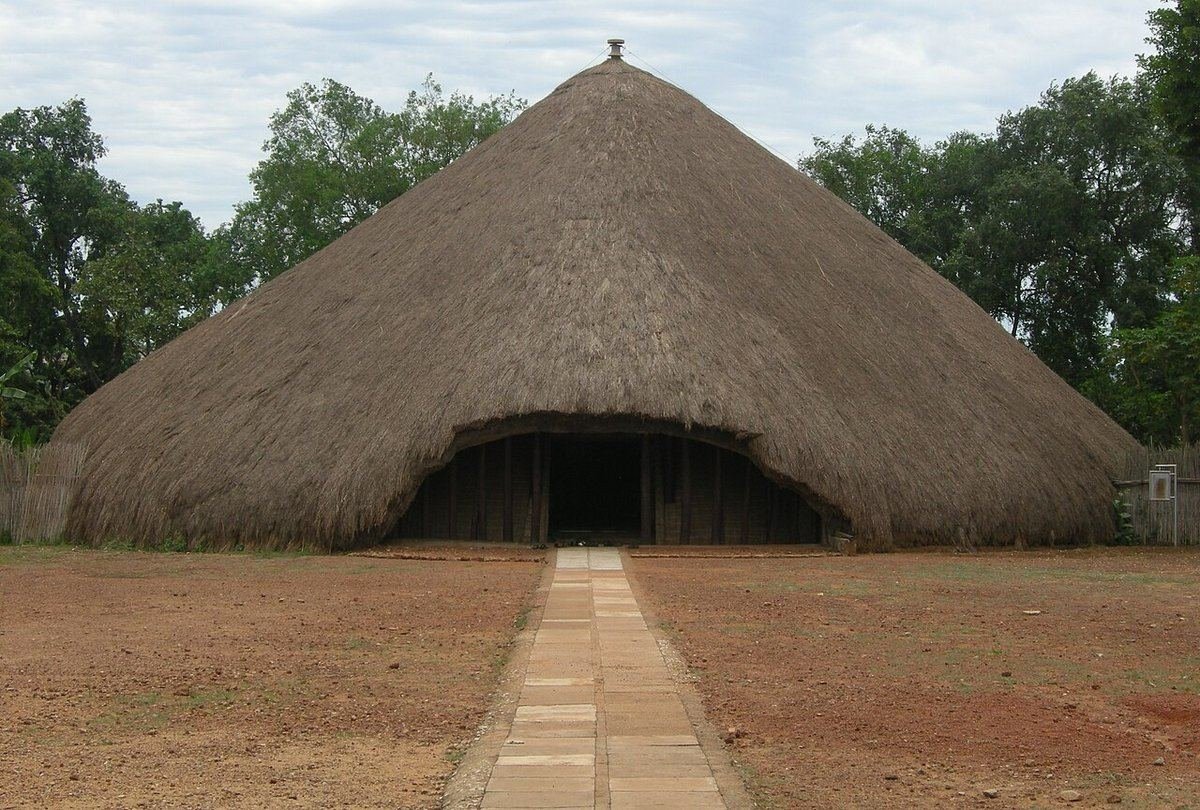
- Kasubi Tombs. The burial ground of four kabakas of Buganda, and a UNESCO World Heritage Site since 2001. The great thatched tomb house burned in 2010 and was rebuilt with traditional skills. In 2023 UNESCO took it off its danger list.
- Mengo Palace (Lubiri) and Kabaka’s Lake. The Kabaka’s palace is linked by a straight royal road to the Bulange, Buganda’s parliament. It was stormed in 1966, and under Idi Amin part of it became an army barracks. Its underground detention chambers are a sobering part of the tour. Kabaka’s Lake nearby was dug in the 1880s.
- Uganda Martyrs Shrine, Namugongo. This is where many young Christian converts at the court of Kabaka Mwanga II were killed between 1885 and 1887. There is a Catholic basilica shaped like a traditional Ganda house and an Anglican shrine and museum. On 3 June each year, Martyrs’ Day draws huge crowds of pilgrims.
The east
- Source of the Nile and the Speke Monument, Jinja. John Hanning Speke reached the point where the Nile leaves Lake Victoria in 1862. The original Ripon Falls were drowned by the Owen Falls Dam in the 1950s, but a monument marks the spot, and there’s a memorial where some of Gandhi’s ashes were scattered.
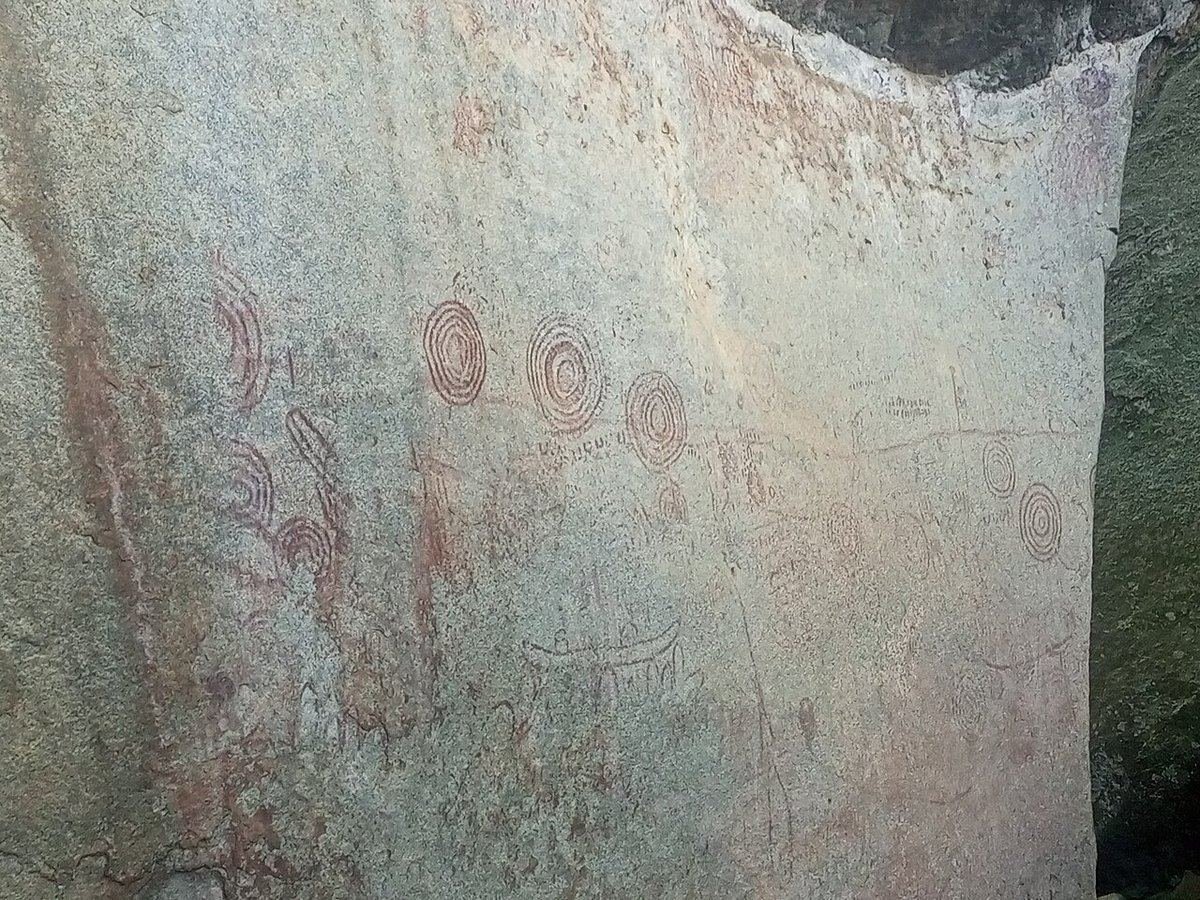
- Nyero Rock Paintings, Kumi. These are red and white geometric paintings, including striking concentric circles, on granite shelters. They’re thought to have been made by early hunter-gatherers, and are among the most important rock-art sites in East Africa. Nyero is on Uganda’s tentative list for World Heritage status.
The west
- Bigo bya Mugyenyi, Ssembabule. More than 10 km of ancient ditches beside the Katonga River, dated to about AD 1300–1500 and linked in legend to the Bachwezi.
- Mparo Royal Tombs, Hoima. The resting place of Omukama Kabalega of Bunyoro, who led years of resistance to British rule, and of his son Sir Tito Winyi IV.
- Karambi Royal Tombs, Fort Portal. About 4 km south of Fort Portal on the Kasese road, this is the burial place of the kings of Tooro, including Kasagama, Rukidi III and Olimi III. In September 2026, Omukama Oyo Nyimba Kabamba Iguru Rukidi IV, who came to the throne as a small child in 1995, was also laid to rest here. Access may be restricted during the kingdom’s mourning period, so we’ll check before any visit.
- Amabere ga Nyinamwiru Caves, near Fort Portal. Limestone caves whose milky stalactites are tied to the legend of Princess Nyinamwiru. There’s a small waterfall nearby, and views over the crater lakes.
The north
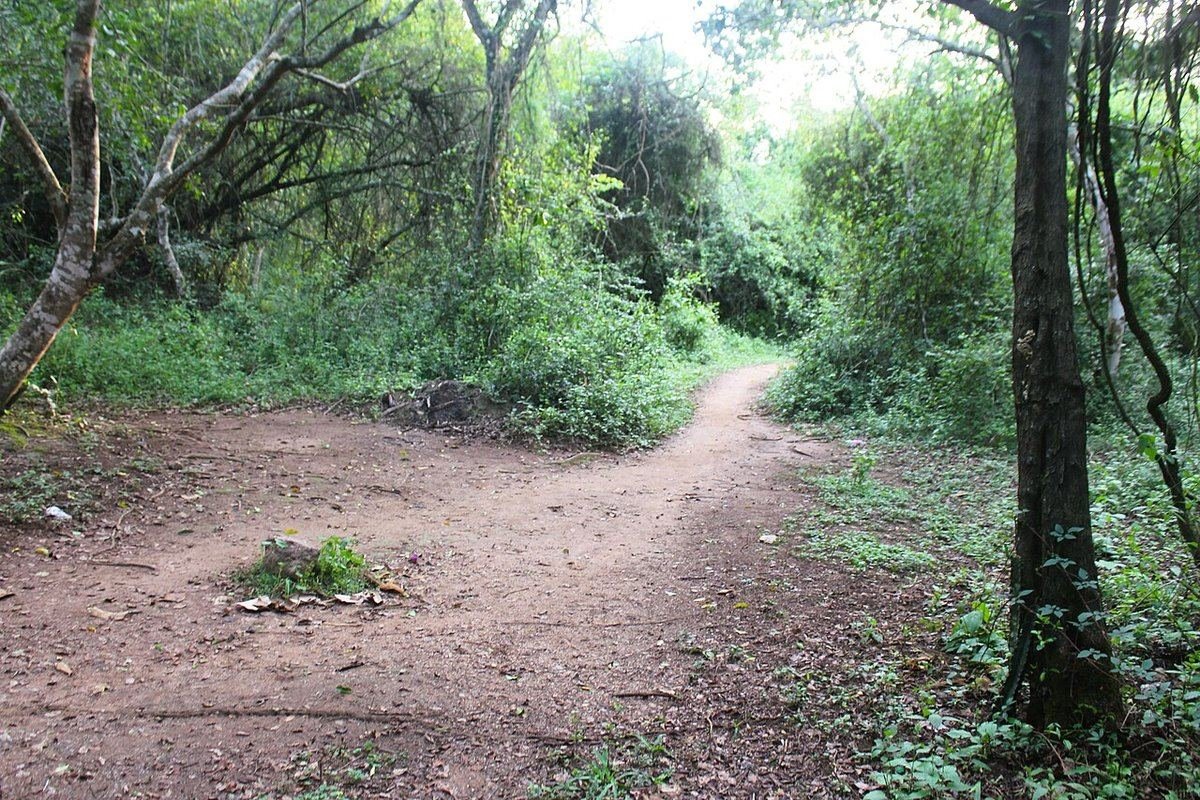
- Fort Patiko (Baker’s Fort), near Gulu. This site among granite boulders was used by slave traders, and in 1872 Sir Samuel Baker set up a fort here in a campaign against the slave trade. Its ruins and moat are a powerful stop on the road to Kidepo.
Also worth a look
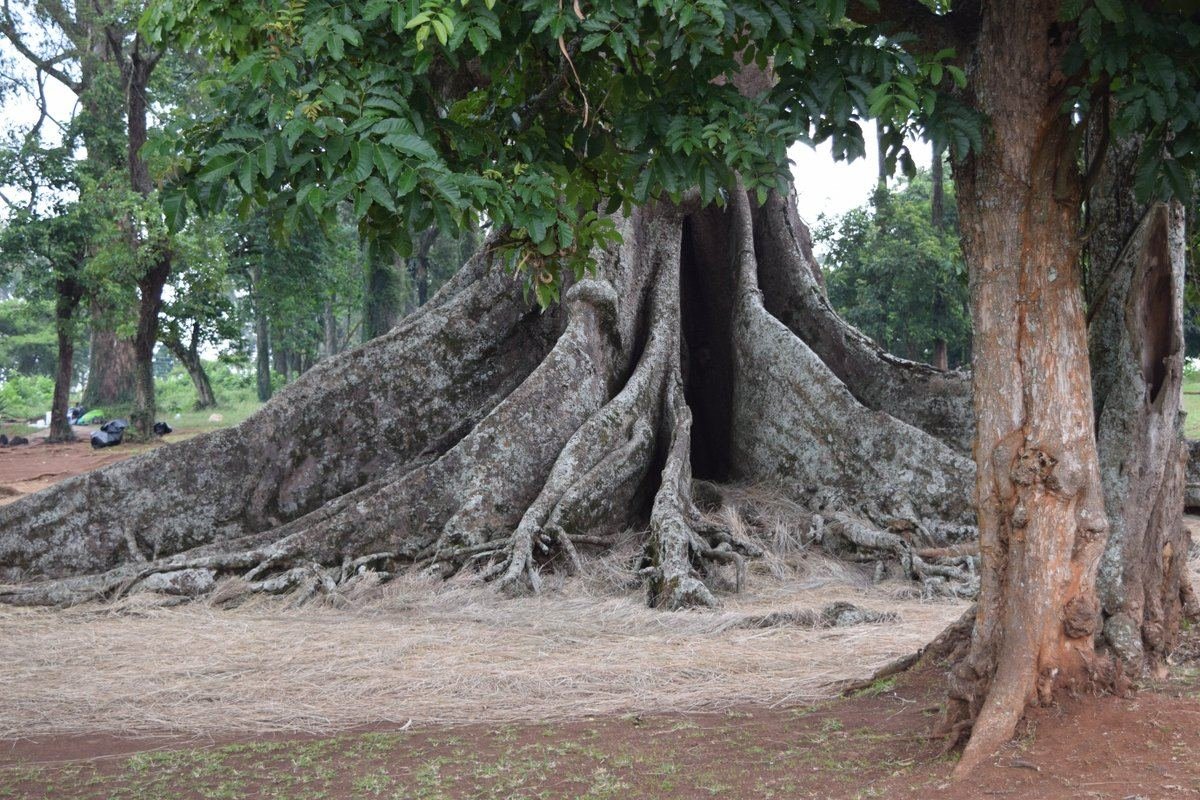
If you have more time, the Uganda Museum in Kampala, founded in 1908, is the oldest museum in East Africa, and a good first stop for context. The Nakayima Tree at Mubende and the Tanda pits west of Kampala bring Uganda’s legends to life.
Good to know
- Many of these are living sites. Royal tombs and shrines are still used for worship and ceremonies. Dress modestly, be ready to remove your shoes, and always ask before taking photos.
- Local guides make the difference. Most sites have custodians or guides whose stories bring them to life. Small entrance fees support the sites. We’ll confirm current fees.
- Distances are real. Kampala’s sites fit into one day. The others work best as stops on the way to the parks, for example Karambi and Amabere with Kibale, Mparo with Murchison Falls, or Fort Patiko with Kidepo.
History adds a whole new layer to a safari. Tell us which stories interest you most, royal Buganda, the Bachwezi legends or the colonial era, and we’ll weave the right sites into your route. See our cultural experiences for more ideas.