If you’ve done Uganda’s famous parks, or you simply like places with more birds than vehicles, Katonga Wildlife Reserve is worth a look. It’s small, wet and quiet, and it’s one of the few places in Uganda where you explore mainly on foot and by canoe.
About the reserve
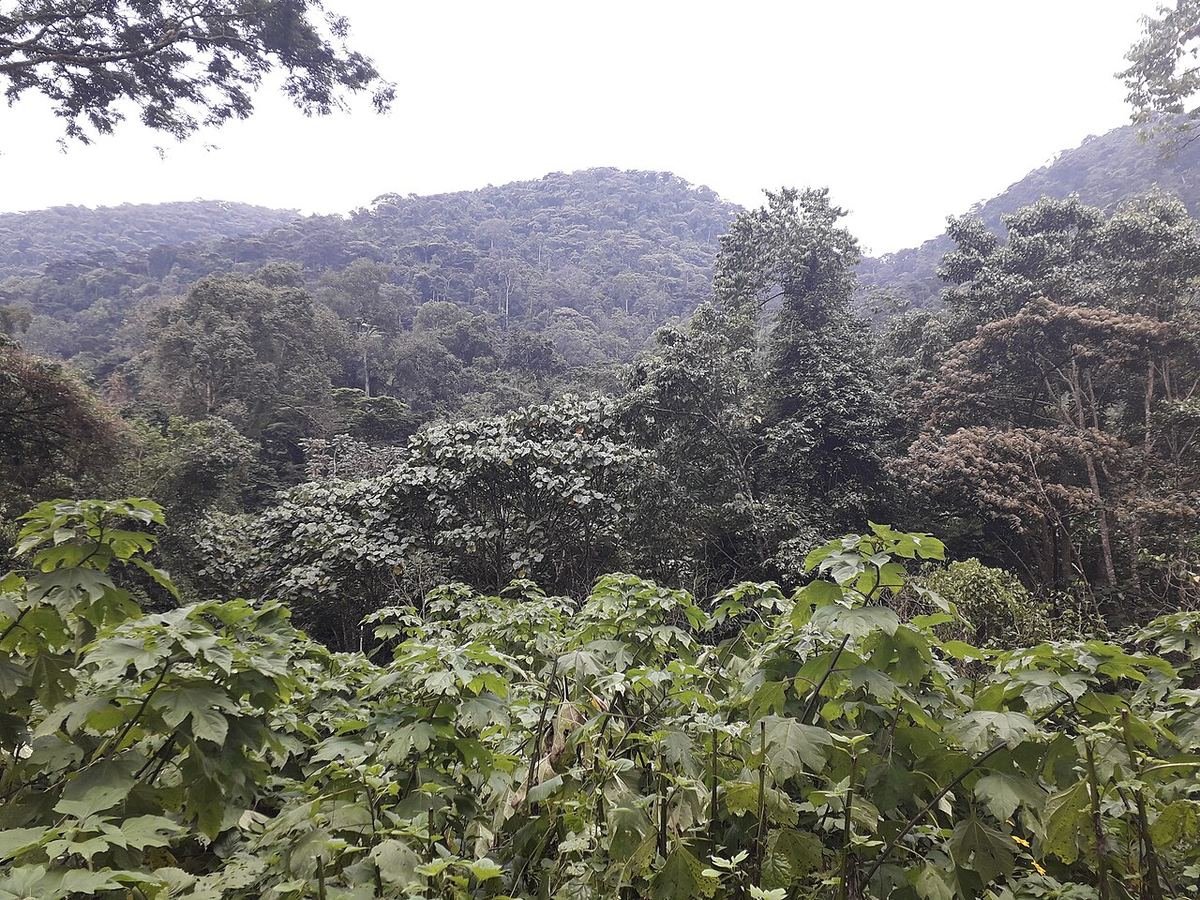
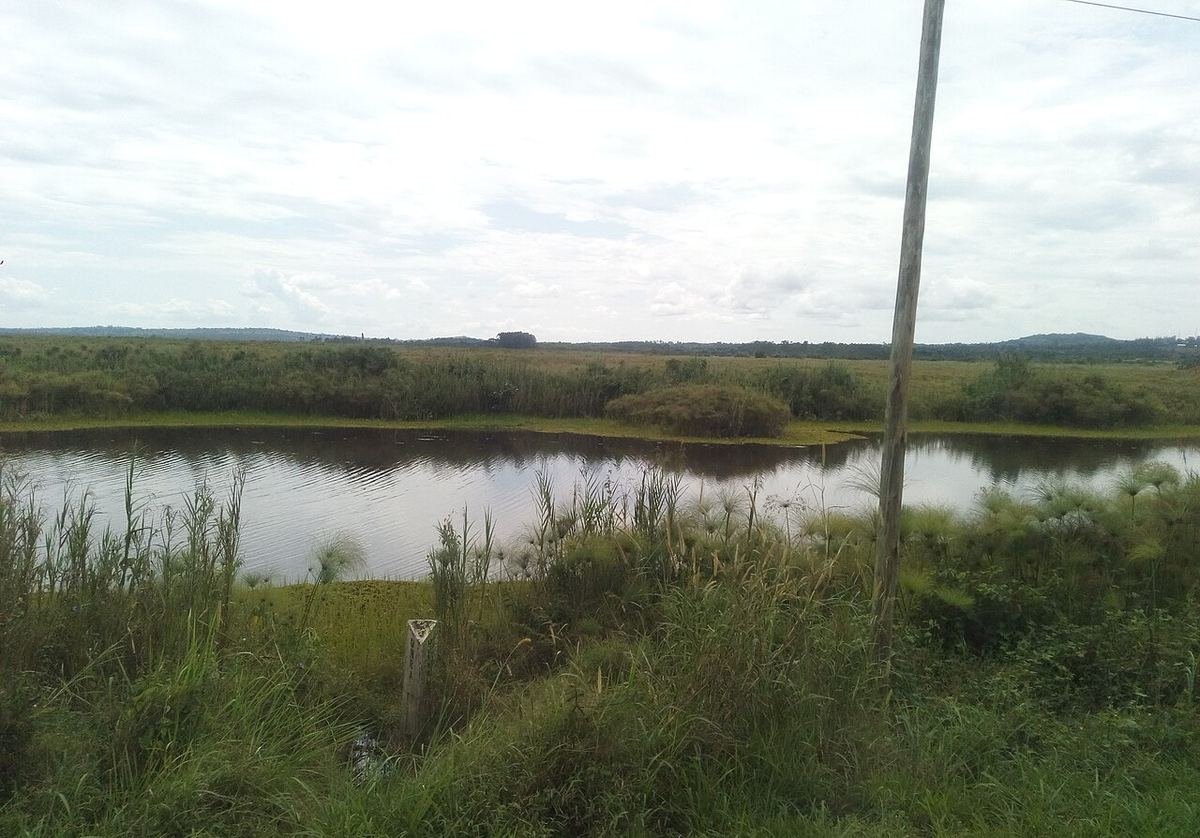
Katonga Wildlife Reserve protects about 211 km² along the Katonga River in western Uganda, in the Kamwenge and Ibanda area. It was established in 1998. The landscape is a mix of savanna, acacia scrub, permanent and seasonal wetlands, and pockets of riverine forest. More than 40 mammal species and over 150 bird species have been recorded, and the reserve is thought to form part of a wildlife corridor for animals moving across the region.
Canoe safaris
The highlight is a guided canoe trip into the wetlands. You paddle, or are paddled, through channels in the reeds and papyrus, gliding almost silently past the edges of the swamp. It’s the best way to see wetland wildlife up close without disturbing it.
- Look for kingfishers, herons, storks and other waterbirds.
- Watch the reed edges for sitatunga and, with luck, river otters.
- Early morning is calmest and most atmospheric.
The sitatunga
The sitatunga is a swamp-dwelling antelope with long, splayed hooves that spread its weight on soft ground, and a shaggy, water-resistant coat. It’s shy and often feeds at dawn and dusk, slipping into the reeds or even submerging to hide. Katonga is one of the better places to look for it in Uganda. Read more in our sitatunga guide.
Walking trails
Ranger-guided walks are the other way to explore. Trails include:
- Sitatunga Trail: along the swamp edge, best started very early for the antelope.
- Kisharara Trail: through grassland, savanna and wetland fringes.
- Kyeibale Trail: past rock outcrops, small valleys and forest patches.
Other animals you might see include waterbuck, reedbuck, bushbuck, black-and-white colobus and olive baboons. Elephants pass through at times, but sightings are unpredictable.
A day at Katonga
A typical visit starts before sunrise with a walk along the swamp edge, when the sitatunga are most likely to be feeding in the open. After breakfast, a canoe trip takes you into the wetland while the air is still cool and the water calm. The middle of the day is hot and quiet, so it’s a good time to rest or drive on. If you stay the night, a late-afternoon walk on one of the drier trails brings better light and more active wildlife.
Who is Katonga for?
- Birders who want wetland species and a break from vehicle-based safaris.
- Returning visitors who have already seen the big parks.
- Walkers and paddlers who prefer to explore quietly, at their own pace.
- It’s less suited to first-time visitors hoping for lions and elephants: for those, start with Queen Elizabeth.
How to get there
- From Kampala: take the Kampala–Mubende–Fort Portal road to Kyegegwa, then about 40 km of murram (dirt) road south to the reserve. Allow roughly 4 to 5 hours in total.
- From Kibale or Mbarara: approach from the south via Kamwenge or Ibanda.
- A 4x4 is recommended, as the dirt roads can become difficult after heavy rain.
Good to know
- Katonga is a Category B protected area on the Uganda Wildlife Authority’s 2024–2026 tariff: entrance is US$35 per day for foreign non-residents. Canoe and walk fees are extra, and we’ll confirm the current rates when we book.
- Facilities are basic: there is a simple UWA campsite and visitor area, and many guests base themselves at lodges in nearby towns or around Kibale.
- Bring waterproof shoes or boots, insect repellent, binoculars and a dry bag.
- All year is fine; the drier months make trails and roads easier.
- Wildlife here is shy and not habituated to crowds, so walk quietly, keep voices low and let your ranger lead the way.
- It fits between Kampala and Kibale, or as a detour on the way to Queen Elizabeth.
Katonga is not a big-game destination, and that’s its charm: water, birdsong and the chance of a shy antelope in the reeds. If a quieter, wetter corner of Uganda appeals, tell us and we’ll plan it with you, perhaps alongside our nature walks elsewhere.