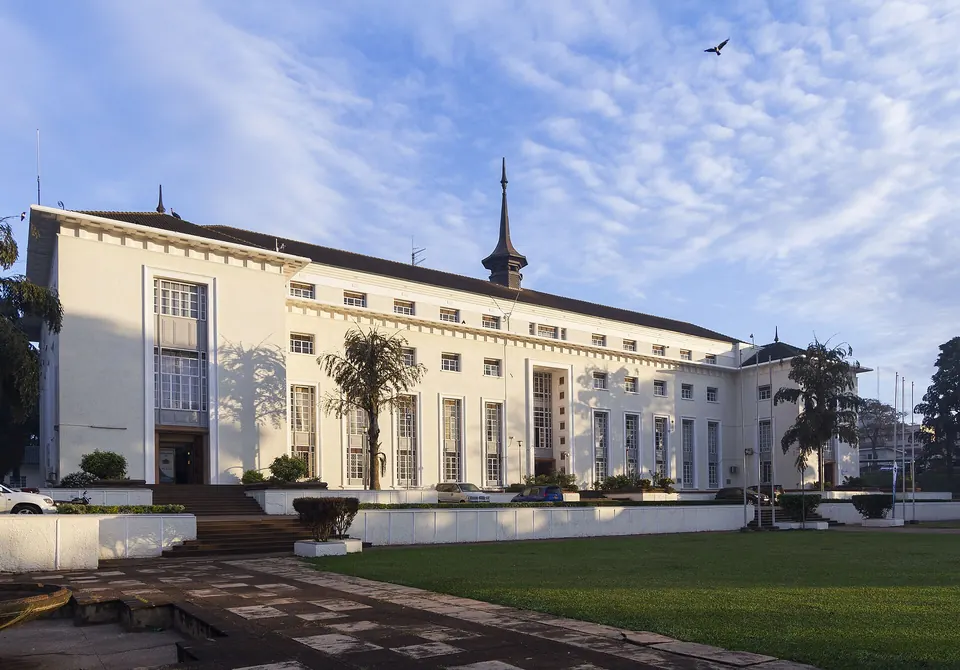
Greet someone in Fort Portal with “Oraire ota, Amooti?” and you’ll get a big smile. That last word is an Empaako, a praise name, and it tells you a lot about the Batooro. They live in the green hills below the Rwenzori Mountains, speak Rutooro, and belong to one of Uganda’s old kingdoms.
Origins and how the group came to be
Tooro began around 1830 when Prince Kaboyo Olimi I, a son of the king of Bunyoro, broke away and founded his own kingdom. Bunyoro took the area back for a time, and Tooro regained its independence in 1891. Like Uganda’s other kingdoms, it was abolished in 1967 and restored in 1993. The Batooro share language, clans and many customs with the Banyoro, so it helps to read our Bunyoro-Kitara guide alongside this one.
2026 has been a big year. Omukama Oyo Nyimba Kabamba Iguru Rukidi IV, crowned at three in 1995, died on 27 August 2026 and was buried at the Karambi Royal Tombs. The royal clan chose his cousin Prince Edward Kijanangoma, who was crowned Omukama Edward Rukidi Nyabongo I at Karuziika palace on 29 September 2026, and the government gazetted his recognition in October. Some members of the royal family disputed the succession, and those questions haven’t all been settled. Read more in our King Oyo article.
Day-to-day life
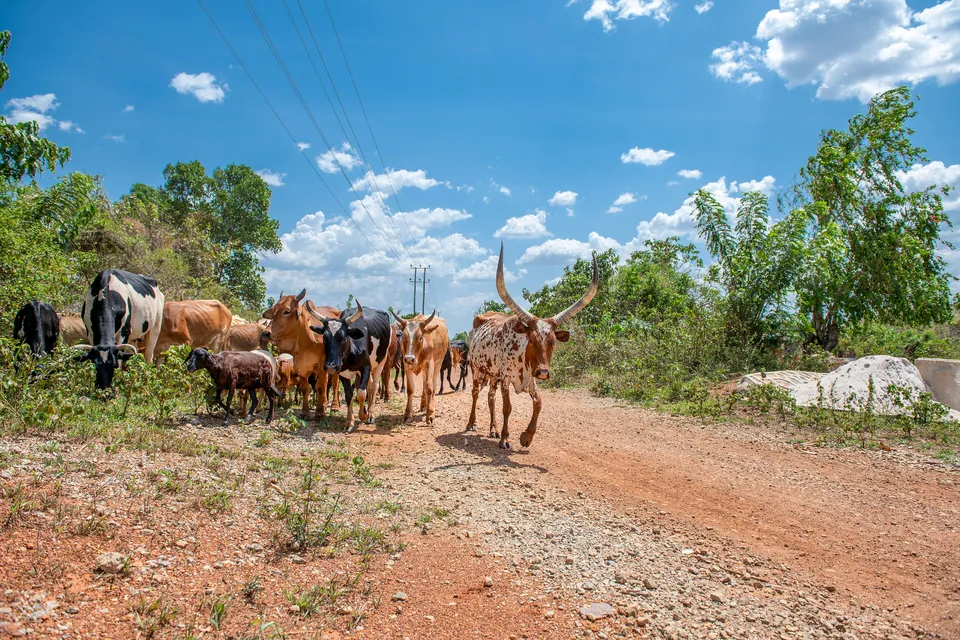
Traditionally, Tooro society had cattle keepers (Bahuma) and cultivators (Bairu), who swapped milk and meat for millet, bananas and beer. Today most families farm small plots of bananas, beans, maize and coffee, and the tea estates around Fort Portal are big employers. Fort Portal itself is a busy university and market town.
Respect shows in greetings. Every Mutooro has an Empaako, one of about a dozen praise names such as Abwooli, Akiiki, Amooti, Apuuli, Araali, Atwooki, Adyeri, Ateenyi and Acaali. Okaali is reserved for the king. Using someone’s Empaako is warm, polite and can calm a heated moment. UNESCO listed the tradition in 2013 as heritage in need of urgent safeguarding.
Weddings and marriage customs
In the old way, the groom’s family sent a go-between to find out about the young woman’s family, her character and her skills. If all went well, the groom’s kinsmen came in their best clothes to make a formal announcement, known as okweranga. The girl’s parents were expected to ask her consent before agreeing.
Bride wealth was talked over by the men of both families and once counted in cattle, more for Bahuma families than Bairu ones. Coffee beans and local beer are shared at the ceremonies as a sign of friendship. When the bride arrived at her new home, her in-laws gave her a new name and welcomed her with a herbal mixture. Families now mix these steps with church weddings, rings and modern receptions.
Rituals and ceremonies
The best-known royal event is Empango, the coronation anniversary, when chiefs, clan heads and guests gather at Karuziika. The royal drums, among them Nyalebe and Kajumba, are sounded at enthronements. When a king dies, the kingdom observes a mourning period, and in 2026 people were asked to avoid weddings and loud music while it lasted.
At the family level, a child is given an Empaako at a naming ceremony. Clans also keep totems, animals or plants that members don’t harm or eat.
Music, dance and storytelling
The Batooro and Banyoro share Orunyege-Ntogoro, a courtship dance. Young men tie ebinyege, gourd rattles, to their legs and stamp and spin, while women wear entogoro, rings of beads or shells, at the waist. Drums, flutes and sometimes a xylophone carry the beat, and a lead singer keeps it moving with jokes and praise.
Storytelling matters too. The Koogere oral tradition, stories of a wise queen of Busongora told by the Batooro and their neighbours, was added to UNESCO’s urgent safeguarding list in 2015.
Food and culinary experiences
Look for firinda, a creamy dish of peeled, mashed beans cooked with onions, tomatoes and ghee. It’s served at weddings and with kalo (millet bread), matooke or cassava. Milk and ghee are prized, and roasted coffee beans are still handed to guests at ceremonies. See our Ugandan food guide for more.
Cultural experiences for visitors
- Ask your guide for an Empaako and use it. People love it.
- See Karuziika palace on the hill above Fort Portal. Visits inside depend on the kingdom’s calendar, so we book ahead.
- Walk to the Amabere ga Nyina Mwiru caves and hear the legend behind them.
- Pair culture with chimps in Kibale, a community walk at Bigodi and the crater lakes.
- Check our festivals calendar and etiquette guide before you go.
Found this useful? Send it to someone planning a trip.