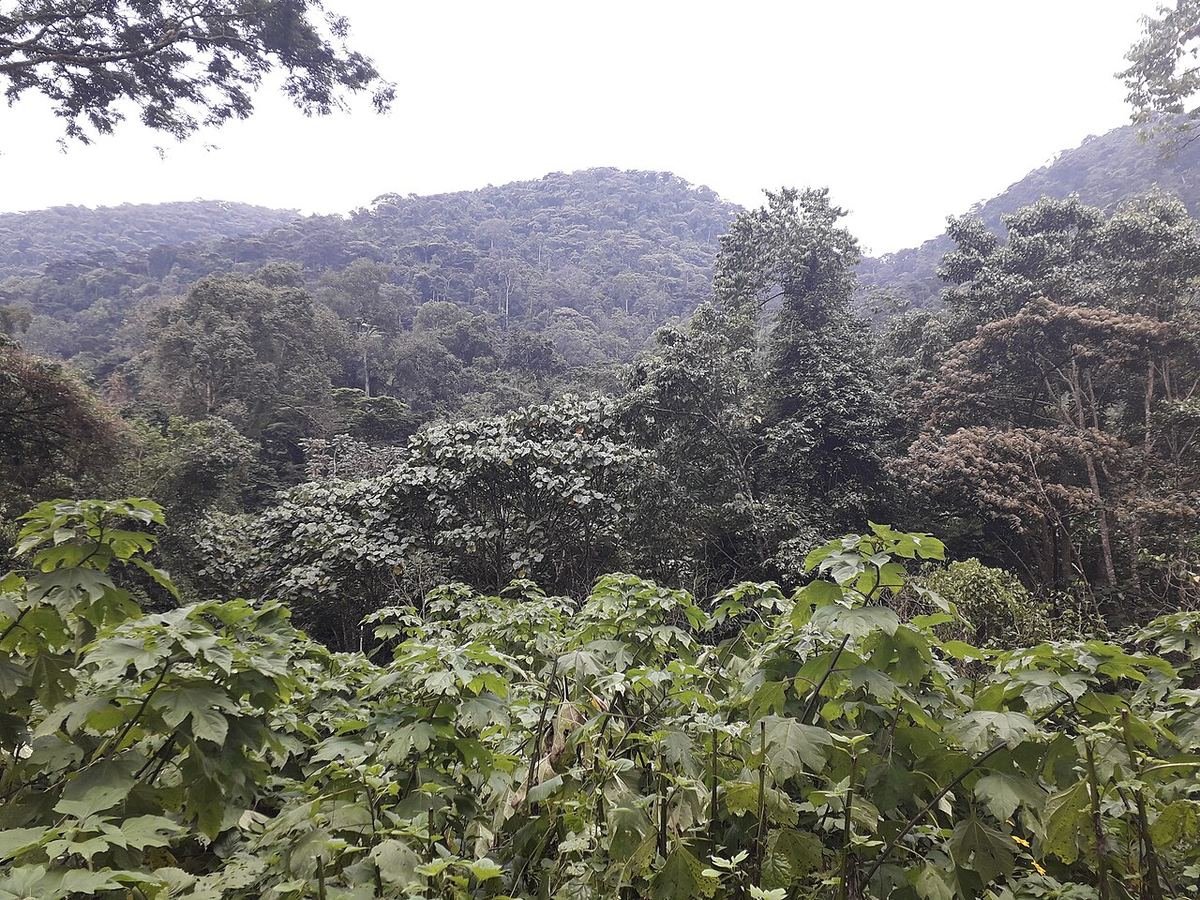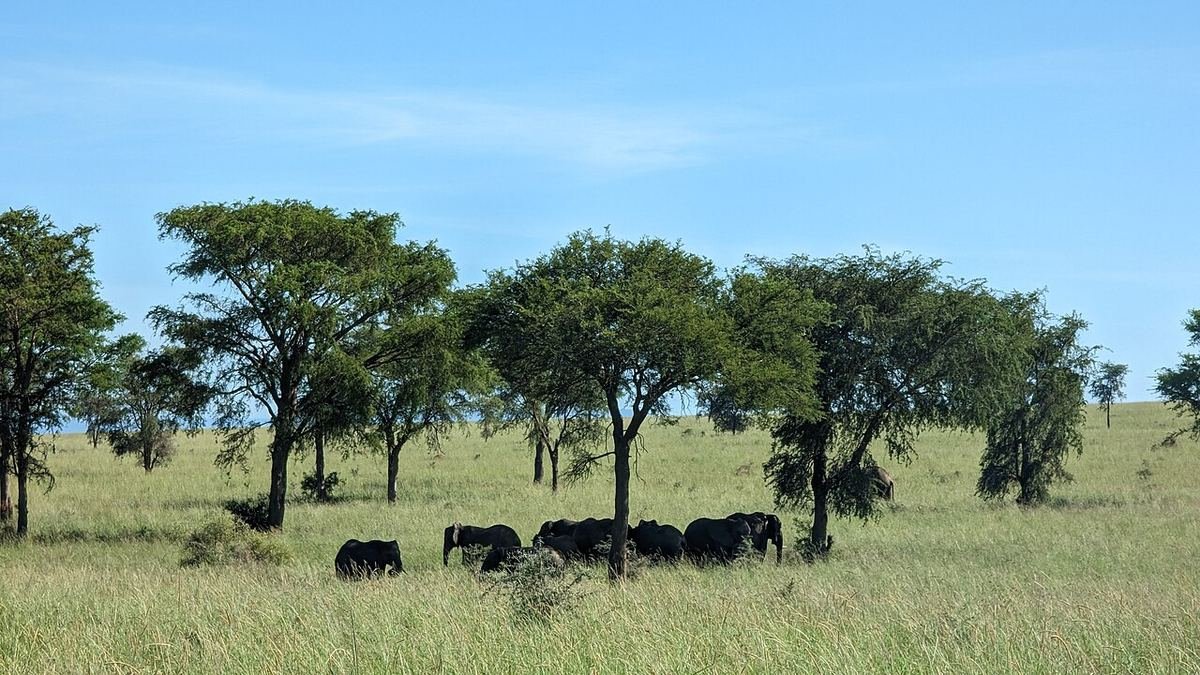
Tucked into the far north-east corner of Uganda, against the borders of South Sudan and Kenya, Kidepo Valley National Park feels like the Africa of old safari books. Wide golden plains, rugged mountains on every horizon and very few other vehicles. It takes effort to get here, and that’s exactly why it’s so special.
Why it’s Uganda’s wildest park
Kidepo was established in 1962 and covers 1,442 km², with altitudes from about 914 metres on the plains to 2,750 metres on Mount Morungole. It lies roughly 700 km from Kampala by road, deep in Karamoja. That remoteness keeps visitor numbers low, and it means the wildlife and landscapes are unlike anywhere else in the country. UWA records more than 77 mammal species and 476 bird species here.
The Narus Valley
The Narus Valley in the park’s south-west is where most of the game drives happen, because it holds water for much of the year. Expect big herds of buffalo, elephants, Rothschild’s giraffe, zebra, and many antelopes, including Jackson’s hartebeest and oribi. Lions often rest on the rocky outcrops, and leopards are seen too.
Kidepo is also home to species you won’t find in Uganda’s other parks: cheetah, ostrich, bat-eared fox and caracal, among others.
The Kidepo River and the north
North of the Narus, the Kidepo River is a wide bed of sand for most of the year, lined with borassus palms. A drive up here feels completely wild. Towards the border, the Kanangorok hot springs make a good destination for a full-day excursion.
Rhinos are back
In March 2026, four southern white rhinos were moved to a protected sanctuary in Kidepo, two from Ziwa Rhino Sanctuary and two from a private ranch. They’re the first rhinos in the park since 1983, when Uganda’s last rhino was killed here, in the Narus Valley. More are planned. Ask us about current viewing arrangements. Read more in our story of Uganda’s rhino return.
Karamojong and Ik culture
The communities around Kidepo add another dimension to a visit.
- The Karamojong: semi-nomadic cattle herders whose lives revolve around their livestock. A community-led visit to a manyatta (homestead) shows you how families live, cook and herd.
- The Ik: a small community living high on the mountains near the park, traditionally hunters and gatherers. Visiting them usually involves a hike.
We use community-run visits so that fees go directly to the families you meet.
Flights vs road
- Flying: Aerolink runs scheduled flights from Entebbe to the airstrip at Lomej, about 3 km from park headquarters. It’s about two hours, and it saves two long days of driving. It’s our usual recommendation.
- Driving: more than 10 hours from Kampala, so we usually break it with a night in Gulu, or build a longer route through Murchison Falls, or via Sipi and Mount Moroto.
- The best of both: drive one way to see Karamoja, and fly the other.
Where to stay
- Apoka Rest Camp (budget): simple UWA bandas at park headquarters.
- Kidepo Savannah Lodge (mid-range): tents on the park’s edge, overlooking the Narus Valley.
- Apoka Safari Lodge (luxury): an exclusive lodge built among granite boulders inside the park.
Good to know
- Fees: under UWA’s 2024–2026 tariff, park entry is US$40 per day for foreign non-residents. New tariffs start in January 2027, and we’ll confirm the fees for your dates.
- Best time: the dry season, roughly September to March, gathers animals near water. The greener months from April to August are beautiful too.
- Stay long enough: at least two nights, ideally three.
- Hikes: UWA offers guided hikes such as Lomej and the Lonyili summit.
If you want a safari that feels truly remote, Kidepo is the one. Visit our Kidepo park page, then get in touch and we’ll plan the flights, lodge and game drives for you.
Found this useful? Send it to someone planning a trip.