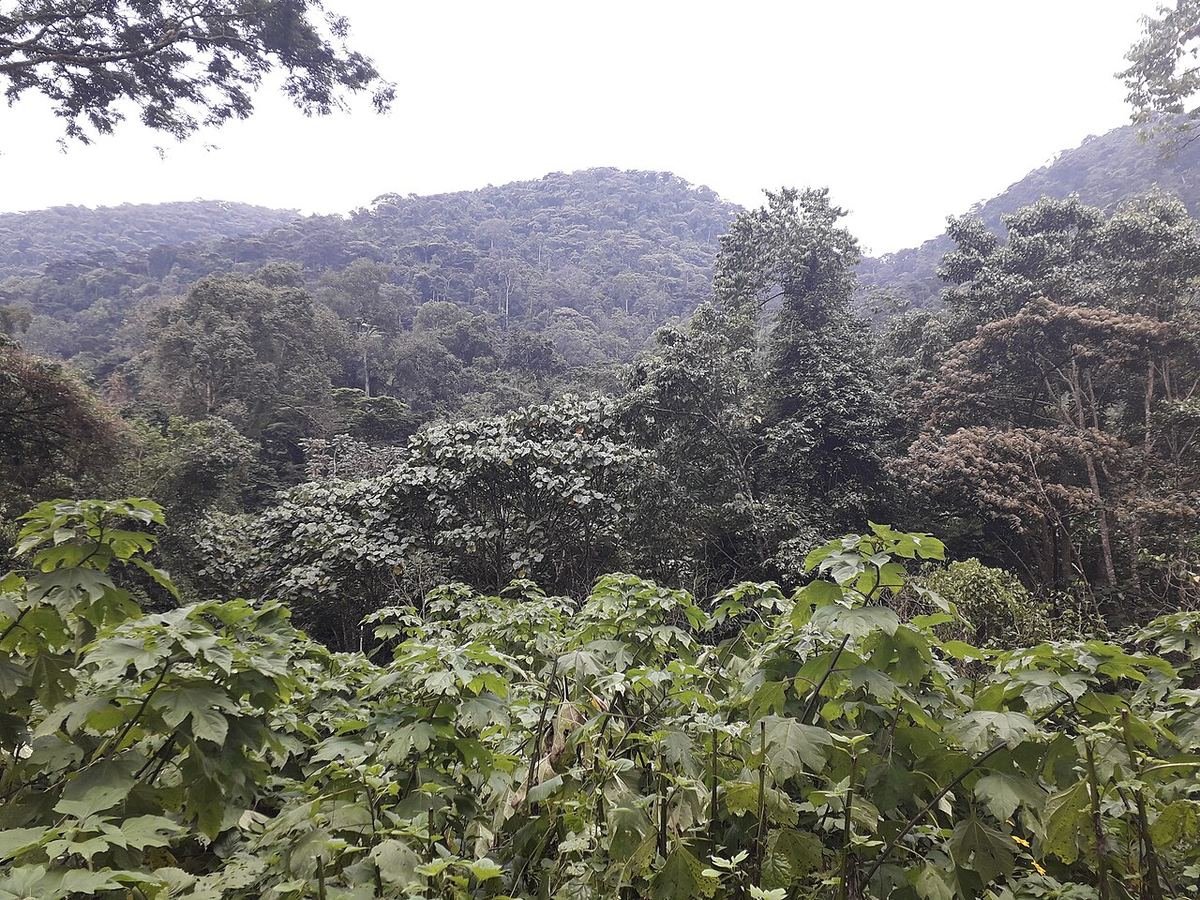
Standing on the rim of the Ngorongoro Crater and looking down at the floor far below is one of the great moments of an African safari. Down there, in a bowl ringed by steep green walls, live some of the densest concentrations of large animals anywhere on the continent. Here’s what makes it special and how to make the most of your day.
Crater facts
- How it formed: a large volcano erupted and collapsed in on itself around two to three million years ago, leaving a caldera.
- Size: the floor covers about 260 square kilometres, and the walls are around 610 metres deep.
- Altitude: the floor lies at about 1,800 metres, so the rim is cool, and often misty in the early morning.
- Wildlife: roughly 25,000 large animals, mostly grazers, live in the crater.
- Water: at its centre is Lake Magadi, a shallow soda lake (“Makat” in Maa, meaning salt).
Black rhinos and the Big Five
The crater is one of the best places in East Africa to see the critically endangered eastern black rhino. The population crashed to just a handful in the early 1990s and has slowly recovered under close protection. They are often seen at a distance on the open grassland, so bring binoculars. Lion, elephant and buffalo are easy to find, and leopard is possible along the forested edges, which is why the crater is such a reliable place to see all of the Big Five in one day. Look out also for spotted hyena, golden jackal, serval, and flamingos on the lake when water levels suit them. You won’t see giraffe on the crater floor: they’re found in the wider conservation area instead.
Descending to the floor: the rules
The crater floor is carefully controlled by the Ngorongoro Conservation Area Authority (NCAA). The key rules include:
- 4x4 vehicles only, and a licensed guide or official NCAA guide must accompany every visit.
- Driving hours are between 06:00 and 18:00, and the descent roads close earlier in the afternoon, so crater days start early.
- Speed limit: 25 km/h on the crater floor.
- Stay in the vehicle except at designated picnic sites, such as the one near the hippo pool at Ngoitokitok Springs. Watch out for black kites swooping on sandwiches.
- Fees: as well as per-person conservation fees, there is a separate crater fee charged per vehicle for each descent. The NCAA reviews fees and time allowances, so we’ll confirm the current rules and costs when we quote.
The Maasai and the conservation area
Ngorongoro isn’t a national park. It’s a multiple-use conservation area, listed by UNESCO for both its natural and cultural value, where Maasai pastoralists have lived and grazed their cattle alongside wildlife for generations. You’ll often see herders and their cattle on the slopes as you drive in. The resident population has grown considerably over the decades, and how people and wildlife share the area has been the subject of much debate in recent years. If you’d like to visit a Maasai community, we’ll arrange it through a village that welcomes guests and benefits directly from the visit.
Olduvai Gorge and Laetoli
On the road between the crater and the Serengeti lies Olduvai Gorge, where fossil discoveries by Louis and Mary Leakey transformed our understanding of early human evolution. The small museum at the site is well worth an hour. Nearby, at Laetoli, footprints left in volcanic ash about 3.6 million years ago preserve some of the earliest evidence of our ancestors walking upright.
Where to stay
Staying on the rim means you can be at the descent road at opening time. Options range from Rhino Lodge in the forest and Ngorongoro Sopa Lodge on the eastern rim, to Ngorongoro Serena Safari Lodge, built into the rim, and the famously opulent Ngorongoro Crater Lodge. For a farm stay near Karatu, Gibb’s Farm is a lovely choice.
Practical tips
- Pack a warm fleece: early mornings on the rim can be surprisingly cold.
- Go down early. The light is better and you’ll have sightings to yourself before most vehicles arrive.
- The crater works well between Lake Manyara and the Serengeti.
Read more on our Ngorongoro Conservation Area and Olduvai Gorge & Laetoli pages. Then let us plan your crater day, with the right lodge, an early start and a guide who knows the floor inside out.