Most visitors to Queen Elizabeth National Park come for lions, elephants and the Kazinga Channel. Tucked away in the park’s south-east corner, though, is one of Uganda’s strangest wildlife sights: a cave in the Maramagambo Forest where thousands of fruit bats roost, and where large pythons wait to catch them. Here is what to expect, the history behind today’s safety rules, and what else to do in the forest.
Maramagambo Forest at a glance
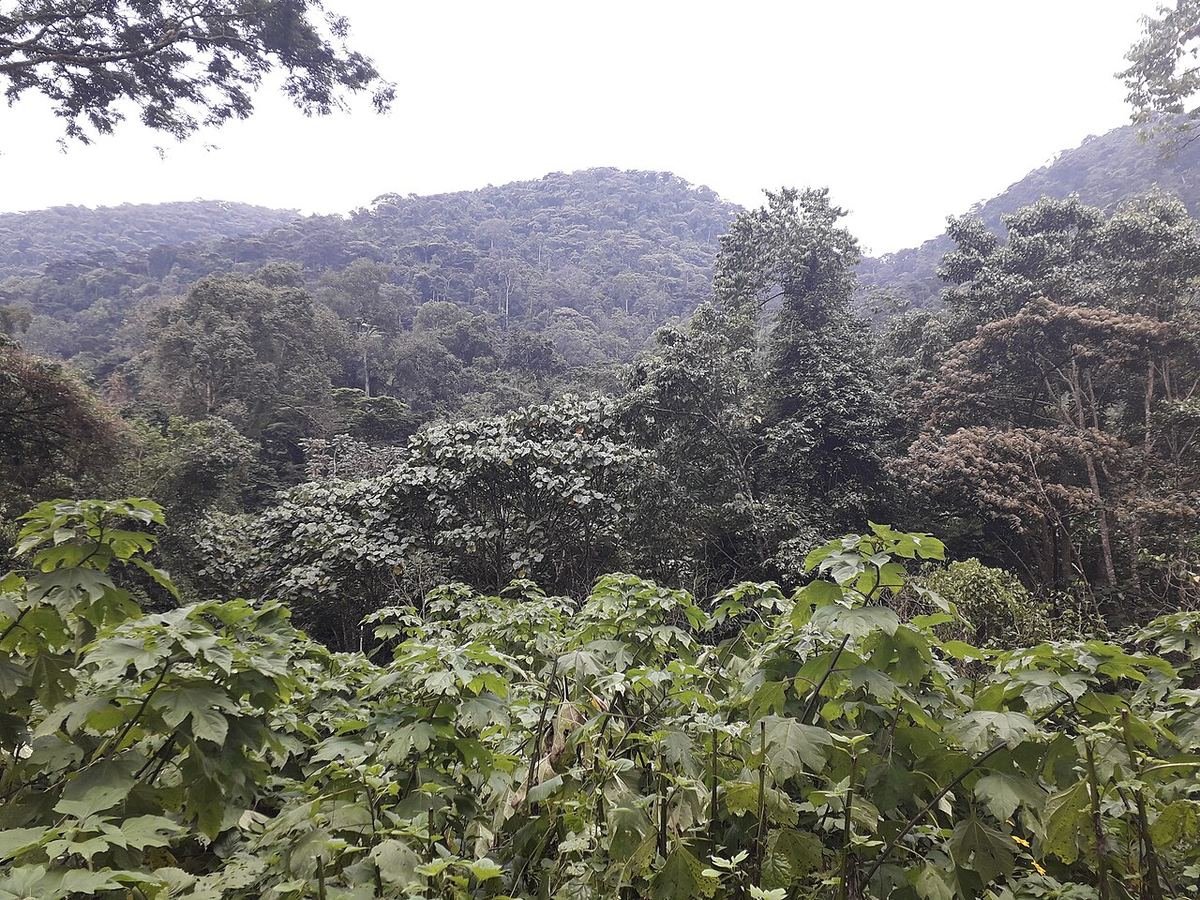
Maramagambo is a large block of medium-altitude tropical forest joining the southern part of Queen Elizabeth National Park. It’s managed jointly by the Uganda Wildlife Authority and the National Forestry Authority, and it feels very different from the open savanna just a few kilometres away: tall trees, a dim understorey, and the calls of forest birds and monkeys instead of the grunts of hippos.
The forest shelters chimpanzees (not habituated for tracking here), red-tailed monkeys, black-and-white colobus, L’Hoest’s monkeys, olive baboons and shy forest antelopes. Two crater lakes, Kyasanduka and Nyamusingire, lie on its edge.
The bat cave and its pythons
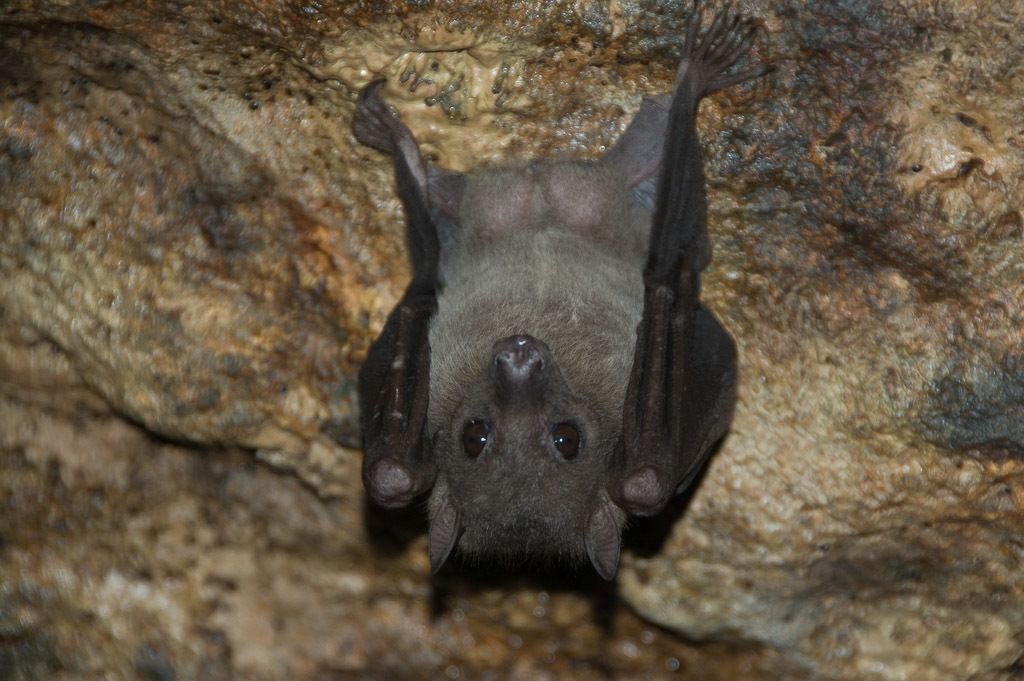
The cave, often called Python Cave, is home to a large colony of Egyptian fruit bats (Rousettus aegyptiacus). You’ll smell and hear them before you see them: a constant squeaking and rustling from the dark entrance, and the sharp ammonia smell of guano.
The bats attract predators. African rock pythons live in and around the cave, and a lucky visitor may see one coiled on the rocks, full after a meal, or waiting near the entrance. Researchers who put camera traps at the cave in 2025 recorded around ten other species feeding on the bats, including blue monkeys, crowned eagles, Nile monitor lizards and leopards. It’s a vivid, rather wild piece of natural history.
Why there is a viewing hide
Egyptian fruit bats are the natural host of Marburg virus, a relative of Ebola. In late 2007 and 2008 two foreign visitors fell ill after visiting this cave. An American traveller, who visited over the New Year of 2007–08, fell sick after returning home and recovered; her infection was only confirmed as Marburg later in 2008. A Dutch visitor who had been in the cave in mid-2008 died of the disease. Both had stood at or just inside the entrance, among the bats and their droppings.
The cave was closed to visitors, and a partly enclosed observation hide was later built about 30 metres from the entrance with the help of the US Centers for Disease Control and Prevention. You watch the cave, the bats and (with luck) the pythons from behind it. Studies have shown that some people still walk past the hide to the cave mouth. Please don’t: the hide is there so that you can enjoy the spectacle at no real risk.
Staying safe at the cave
- Stay inside or behind the viewing hide, and follow your ranger guide at all times.
- Never enter the cave or touch bats, guano, or the rocks near the entrance.
- Wear closed shoes and long trousers on the forest trail.
- Wash your hands afterwards, and don’t eat at the hide.
- If you develop a fever within three weeks of visiting any bat cave in Africa, tell your doctor where you’ve been. Our health and safety guide has more general advice.
What else to do in Maramagambo
- Guided forest walks. Ranger-led walks follow trails through the forest and past the crater lakes. Look for primates, forest hornbills and butterflies.
- Birding. Forest species are a welcome change after the savanna, and the lakeshores add kingfishers and waterbirds.
- Crater lakes. Kyasanduka and Nyamusingire are quiet and beautiful, especially in the late afternoon.
- Combine it with chimps. Kyambura Gorge, in the neighbouring Kyambura Wildlife Reserve, is the place for chimp tracking in this part of Uganda.
Good to know
- The cave is reached on a short forest walk with a ranger. We book the guide and fold it into your Queen Elizabeth itinerary; the Uganda Wildlife Authority’s 2024–2026 tariff lists guided nature walks in the park at US$25 per person for foreign non-residents, and we’ll confirm the current fee for your dates.
- A half day is enough for the cave and a short walk. A full day lets you add a longer trail and a lake.
- Maramagambo is on the way between the Mweya and Ishasha areas, so it slots neatly into a drive through the park.
- Please don’t use flash or shine torches at the bats.
The bat cave is one of those places that stays with you: the noise, the smell, a python’s patterned coils in the half-light. If you’d like to add Maramagambo to a Queen Elizabeth safari, together with the Kazinga Channel cruise and a game drive, tell us your dates and we’ll plan it with you.