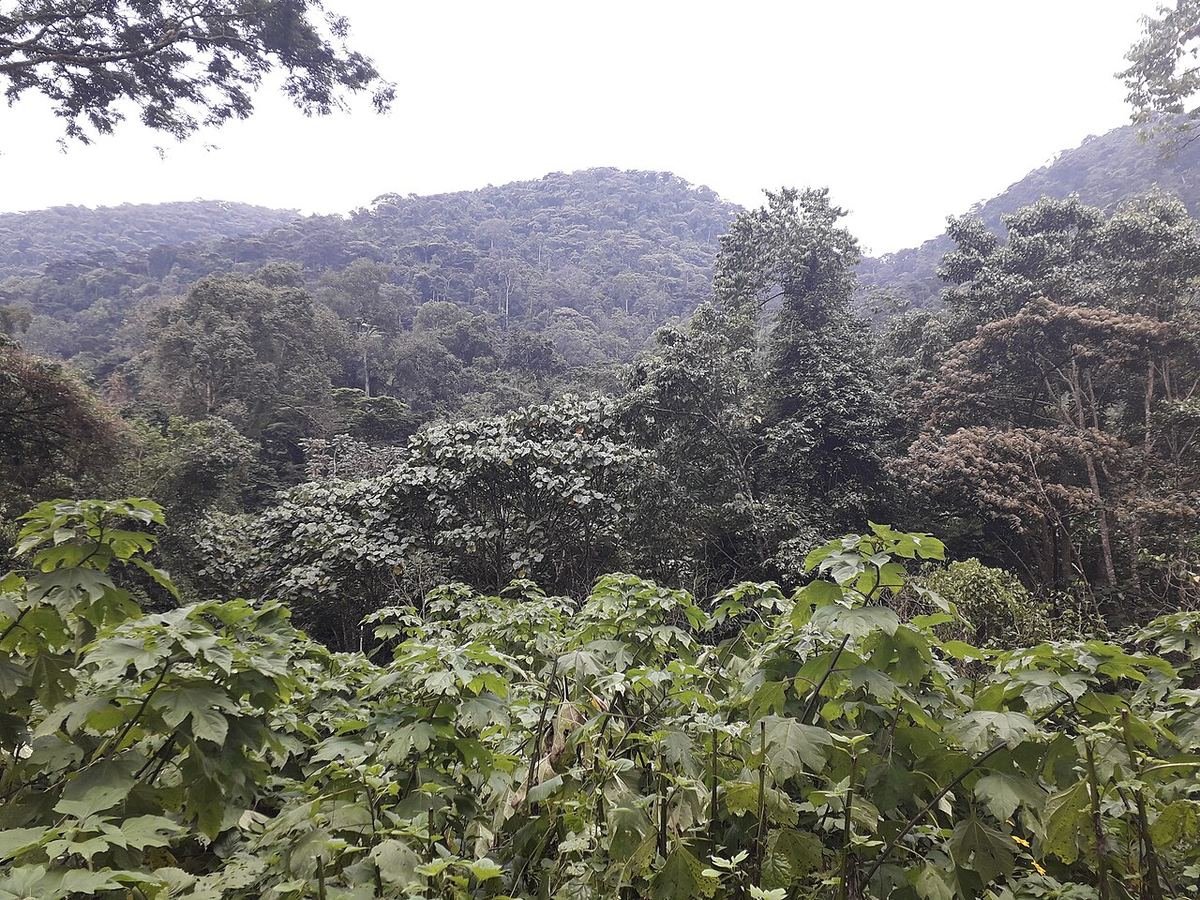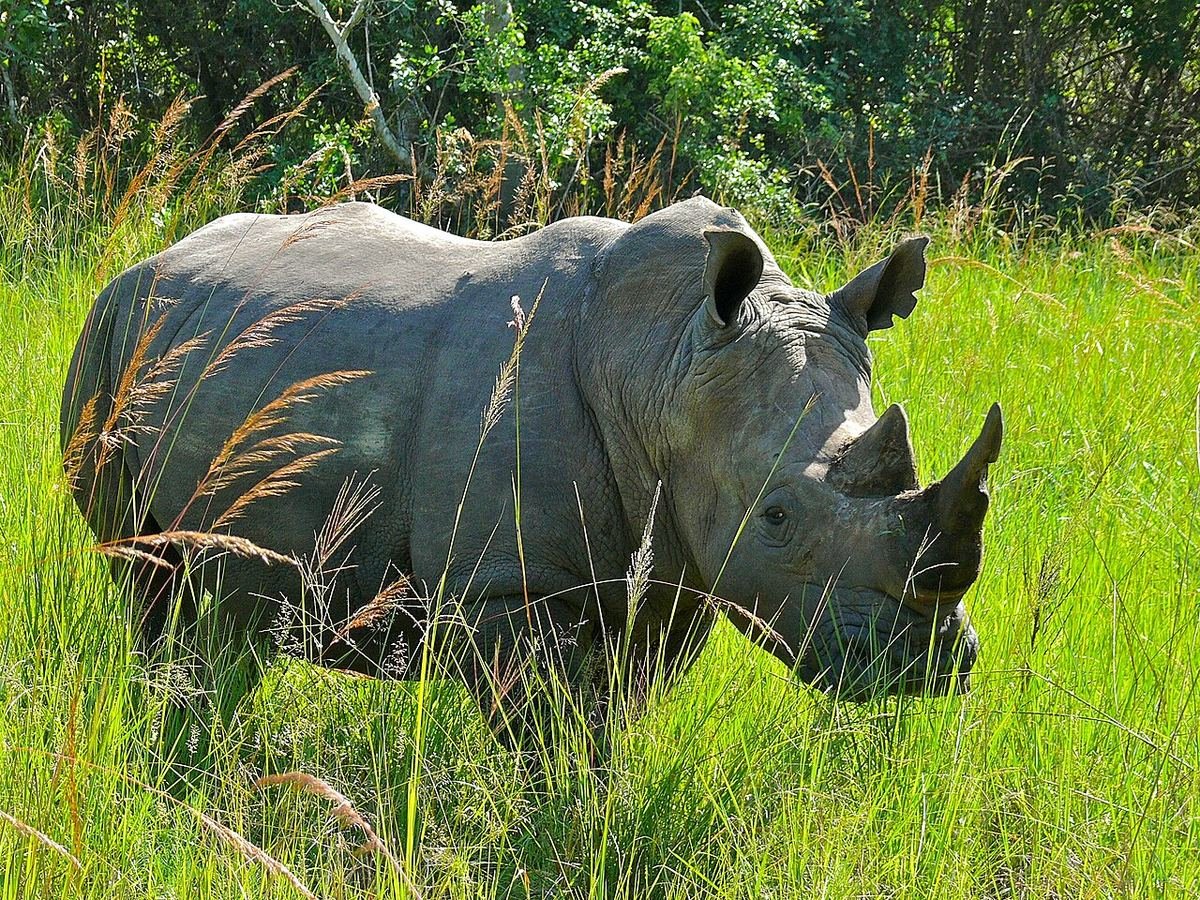
Few places in Uganda have a story like Ajai Wildlife Reserve. A small reserve of savanna and swamp on the west bank of the Albert Nile, in the West Nile region, it was set aside for one of the rarest animals on Earth, lost them, and in 2026 became home to rhinos again. Here’s what you need to know.
A reserve created for rhinos
West of the Albert Nile was once the range of the northern white rhino. A small sanctuary was set up at Ajai in the 1930s, and the area was gazetted as a wildlife reserve in 1965, named after a local chief, Ajai. It was one of the last places in Uganda where northern white rhinos survived.
The years of conflict and insecurity that followed were disastrous for wildlife. Poaching and the breakdown of protection wiped out Uganda’s rhinos. According to the Uganda Wildlife Authority (UWA), the country’s last rhino was killed in 1983, in the Narus Valley of Kidepo. Today the northern white rhino survives only as two females in Kenya, and it is no longer found in the wild.
How rhinos came back
Uganda’s comeback started at Ziwa Rhino Sanctuary, where a breeding programme began in 2005 and 2006 with six southern white rhinos. The herd grew steadily, and in December 2025 eight more rhinos were brought in from South Africa to strengthen it. UWA put Ziwa’s population at 49 in early 2026.
On 8 January 2026, four southern white rhinos were moved from Ziwa to Ajai, the first time Uganda had moved rhinos between its own protected areas. UWA plans to bring 20 rhinos to Ajai in total, with the next group following once the first four have settled in. Two months later, in March 2026, rhinos were also returned to Kidepo Valley National Park.
What else lives at Ajai
Ajai sits beside the Albert Nile, with seasonal swamps and wetlands inside the reserve. That makes it good country for the sitatunga, a shy, swamp-dwelling antelope with long, splayed hooves that let it walk on floating vegetation. You’re most likely to spot one early or late in the day, at the edge of the papyrus.
- Mammals: Uganda kob, waterbuck, warthog, hippos in the river, and several primate species.
- Birds: wetland and savanna species, with the Albert Nile close by.
- Rhinos: the new southern white rhinos, in a protected area of the reserve.
Can you track rhinos at Ajai?
UWA has listed rhino tracking at Ajai in its 2027 tariffs. Until then, the rhinos are settling in, and viewing arrangements may change. We confirm the latest position with UWA before booking anything. If seeing a rhino on foot is your main goal right now, Ziwa remains the most reliable place, and you can still visit Ajai for its quiet landscapes and history.
Getting there
- From Arua: about an hour by road. Arua has scheduled flights from Entebbe.
- From Murchison Falls: cross the Albert Nile at Pakwach and continue into West Nile. It works well after a few days in Murchison.
- Where to stay: facilities at the reserve are still developing, so most visitors stay in Arua hotels.
Good to know
- The dry season, roughly December to March, makes the murram roads and tracks easier.
- This is off the usual safari circuit, with few visitors and simple infrastructure. Come for the story and the solitude, not for luxury.
- Wear neutral colours and follow your ranger’s instructions near any wildlife.
Why it matters
Every visit to a reserve like Ajai shows that wildlife is worth more alive, and it helps fund rangers and the communities who live alongside the rhinos. Read more about Uganda’s rhinos in our Big Five guide.
If you’d like to see Uganda’s rhino story for yourself, from Ziwa to Murchison and on to West Nile, get in touch and we’ll plan a route that includes the latest arrangements at Ajai.