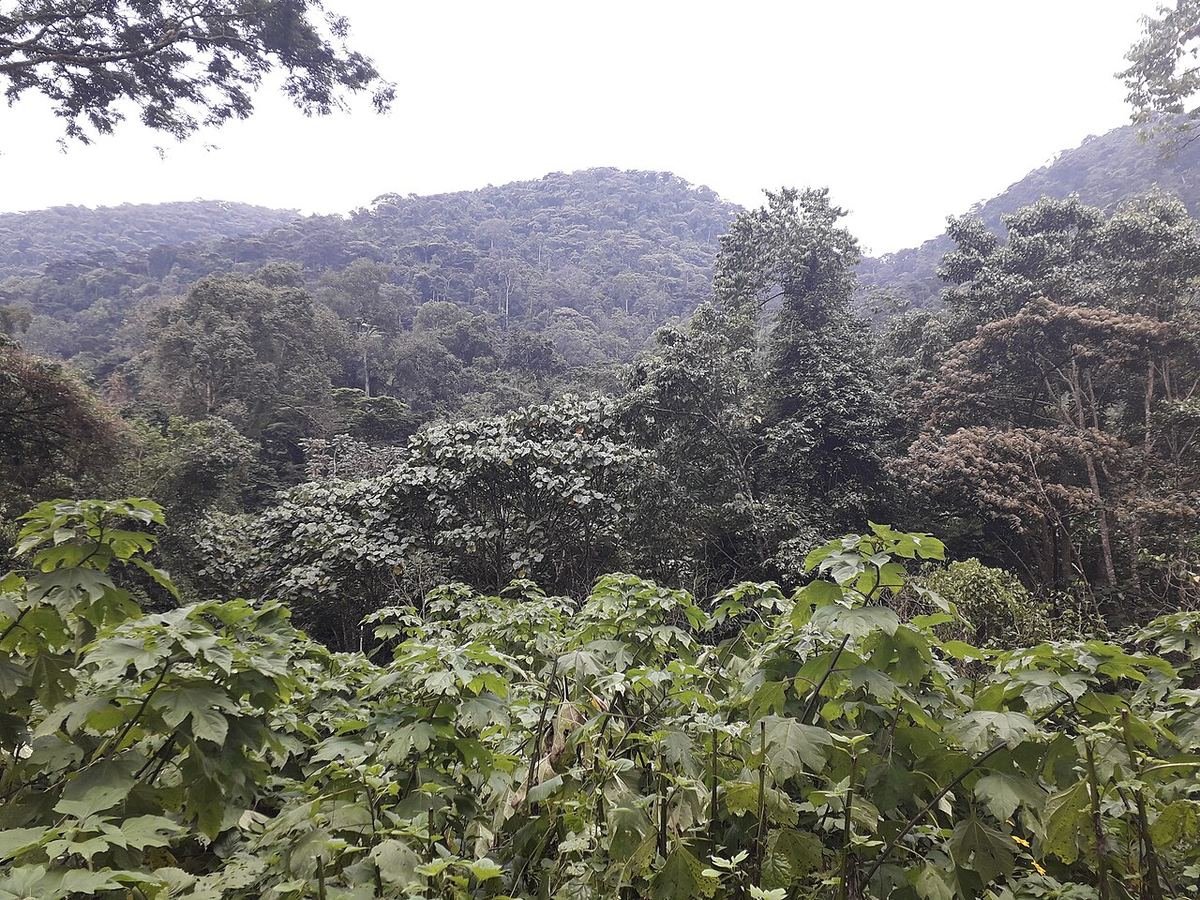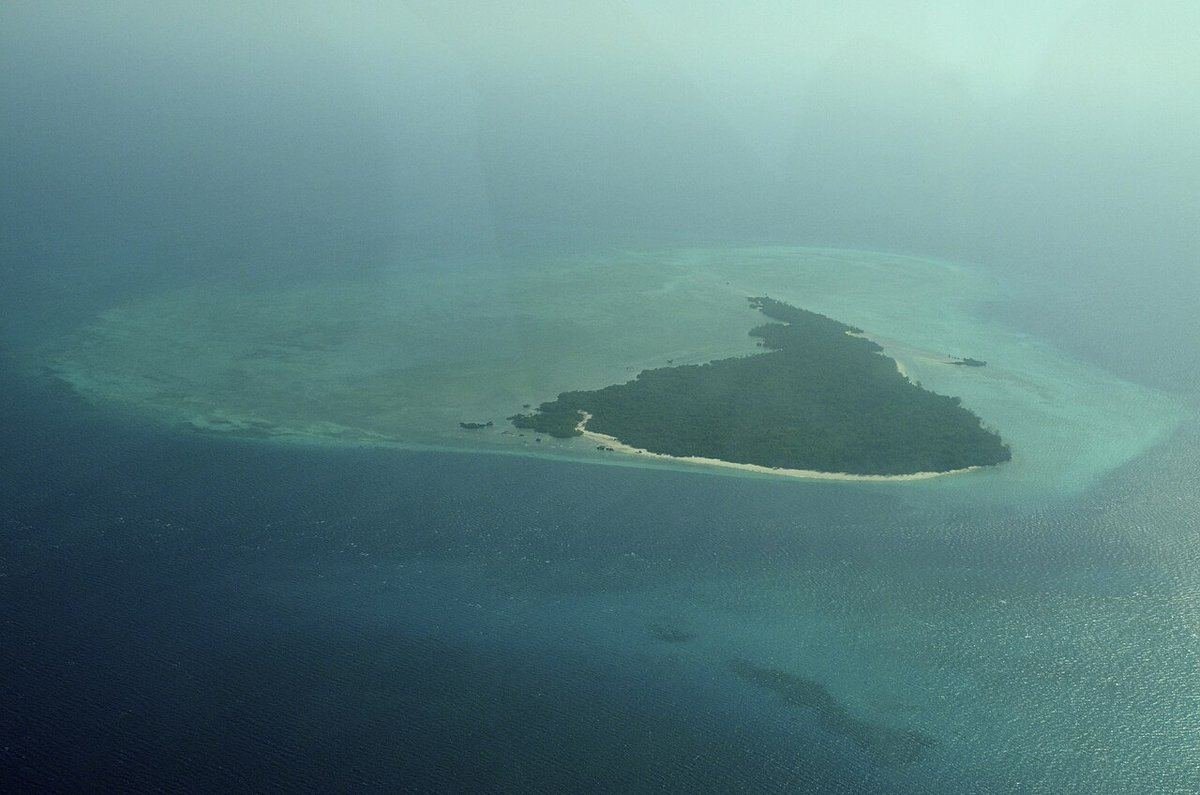
Most visitors to the Zanzibar archipelago only see Unguja, the main island that everyone simply calls Zanzibar. About 50 kilometres to the north lies Pemba: hillier, greener and far less visited. There are no crowded beach strips here, just clove plantations, mangrove creeks, small fishing towns and some of the most exciting diving in East Africa. If you want a slower, more authentic island stay after safari, Pemba is worth a serious look.
Pemba at a glance
- Size: about 988 square kilometres, the second-largest island in the archipelago.
- Main towns: Chake Chake (the capital), Wete in the north and Mkoani in the south.
- Getting there: Pemba Airport, near Chake Chake, has flights to Unguja, Dar es Salaam and Arusha. There are also ferries between Unguja and Pemba.
- Feel: rural, conservative and very welcoming. Tourism is small-scale.
Diving and snorkelling
Pemba sits beside the deep Pemba Channel, and its west coast is fringed by reefs with steep drop-offs, healthy coral and very abundant marine life. Wall dives here are superb, and visibility can be excellent. Currents in the channel can be strong, so many of the best sites suit experienced divers, although there are sheltered reefs for beginners and snorkellers too. Dive centres are attached to a handful of resorts, so we plan your accommodation and diving together.
Misali Island
Just off the west coast, about ten kilometres from Chake Chake, the small island of Misali is Pemba’s marine jewel. Its reefs host more than 300 species of fish, and its beaches are important nesting sites for green and hawksbill turtles. Misali has been a marine conservation area since 1998 and is now part of the Pemba Channel Conservation Area. A small visitor fee supports ranger patrols and community projects.
The island is also culturally important. Local tradition holds that a prophet once used the island as a prayer mat, and its name comes from the Swahili word for a prayer rug. Please dress modestly and follow your guide’s advice while ashore.
The clove island
Pemba is the heart of Zanzibar’s clove industry, with millions of clove trees, more than anywhere else in the archipelago. A single tree can be harvested for decades. During harvest, you’ll see clove buds drying on mats outside homes and smell them on the air. A guided visit to a family plantation is a lovely way to understand what life on the island is built on.
The Pemba flying fox
Pemba has its own giant fruit bat, the Pemba flying fox, found nowhere else in the world. By the early 1990s only a few hundred were thought to remain, because of hunting and forest loss. Community education, a ban on hunting with shotguns and local ecotourism turned things around, and the population recovered to tens of thousands. It’s still listed as Vulnerable by the IUCN.
You can watch the bats at community-run roosts such as Kidike, where they hang in the treetops by day and stream out at dusk. Entry fees go back to the village, which gives local people a direct reason to protect them.
Ngezi Forest
In the far north-west, Ngezi Forest Reserve protects about 1,440 hectares of mainly primary forest, a remnant of the woodland that once covered much of the island. Guided trails lead through tall forest and mangroves, and birders come for Pemba’s endemic birds, including the Pemba sunbird, Pemba white-eye, Pemba green pigeon and Pemba scops owl.
When to go
Like the rest of the archipelago, Pemba is at its best in the drier months, roughly June to October and late December to February. The long rains, usually heaviest in April and May, bring rougher seas and some lodges close. Divers should ask us about conditions for their dates, as visibility and currents change through the year. The clove harvest generally follows the rains, and is a lovely time to visit the plantations.
Good to know
- Pemba is a quiet, largely Muslim island. Cover shoulders and knees away from your resort, and be especially respectful during Ramadan.
- Accommodation is limited, so book early, particularly for diving holidays.
- Roads are slow and facilities simple outside the main towns. That’s part of the charm.
- Zanzibar requires visitors to hold its own mandatory inbound travel insurance, and this covers Pemba too. We’ll confirm the current requirement when you book.
Pemba pairs beautifully with a night or two in Stone Town and a northern Tanzania safari. See our guide to adding a Zanzibar beach break, then contact us and we’ll put together flights, diving and a stay that matches the pace you’re after.
Found this useful? Send it to someone planning a trip.