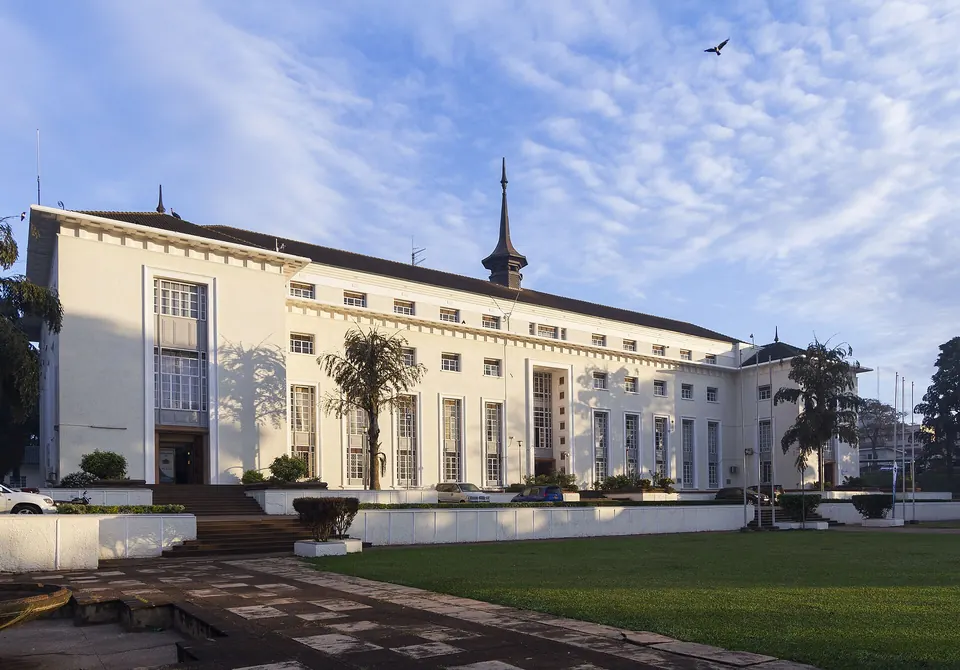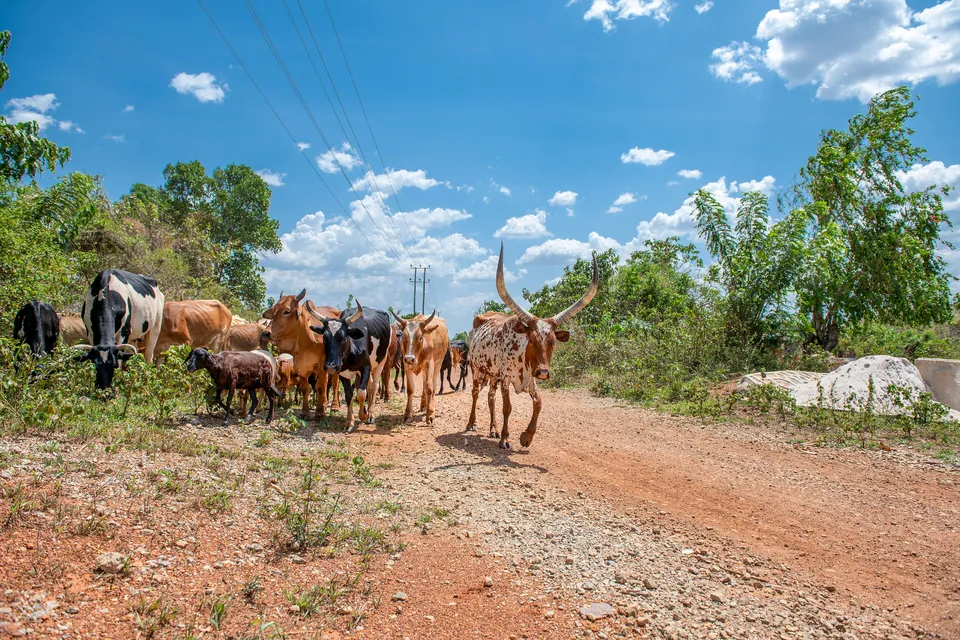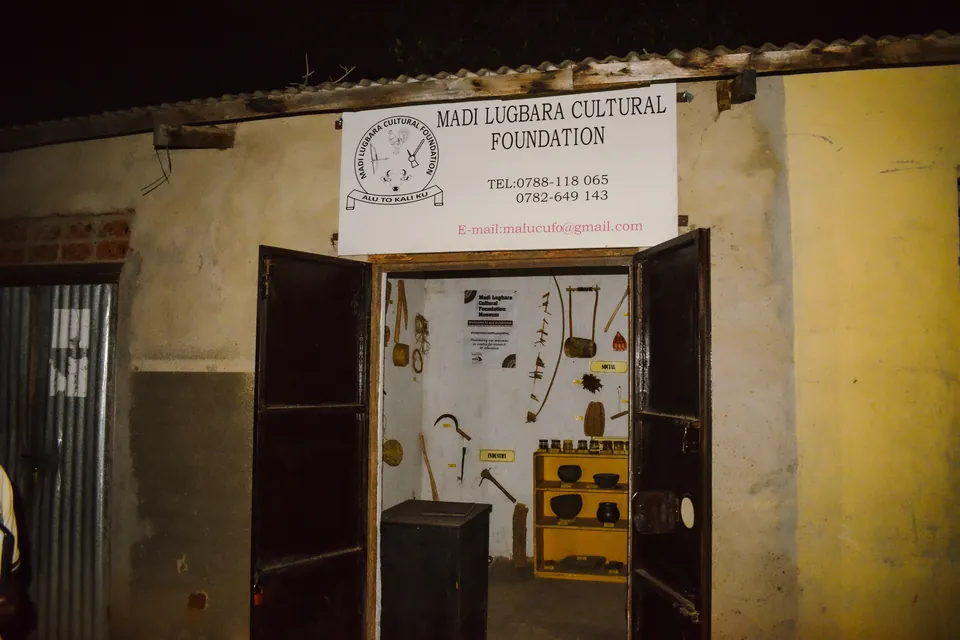
Arua is the biggest town in West Nile, and the Lugbara are its people. They live across the highland plateau between the Nile and the Congo border, in Arua, Maracha, Terego and nearby districts, with more in Congo and a few in South Sudan. Their language, Lugbara, is Central Sudanic, unlike the Bantu languages of the south.
Origins and how the group came to be
Lugbara tradition starts with God, Adroa, who made the first man and woman, Gborogboro and Meme. Generations later came two hero ancestors, Jaki and Dribidu. They weren’t related and came into the highlands separately, Jaki from the north-west and Dribidu through the Nile valley. Both were rain-makers with powerful medicines, and their many sons founded the first Lugbara clans. Jaki is said to have died on Mount Liru and Dribidu on Mount Eti, both looking over the plains.
The Lugbara had chiefdoms, not a kingdom. Their cultural institution, Lugbara Kari, was recognised in 2015 and is led by the Agofe. Records show Manase Yuma Amuku as the current Agofe, declared in January 2024 after the death of Jason Avutia in 2023.
Day-to-day life
Most Lugbara are settled farmers. Millet and sorghum were once the staples, but after droughts in the 1960s cassava took over. Families also grow beans, groundnuts, sesame and sweet potatoes, and tobacco has long been the main cash crop. The Lugbara are known as Uganda’s main guineafowl keepers. Dialects include Ayivu, Maracha, Terego, Vurra and Aringa, and people are quick to tell you which one is theirs.
Weddings and marriage customs
Marriage among the Lugbara joins two families and involves bride wealth, traditionally paid in livestock or iron tools. Elders from both sides do the negotiating. Young people dance the Nambi at traditional weddings. Most couples now also marry in church or at the mosque.
Rituals and ceremonies
The Lugbara were made famous in anthropology by John Middleton, who studied how families kept shrines to their ancestors and made offerings to them. Respect for the dead is still strong, and funerals are large, important gatherings. When a child is born there is a naming ceremony called Cikiri. Today most Lugbara are Christian or Muslim, and old and new practices sit side by side.
Music, dance and storytelling
Gaze is the youthful, energetic dance that has spread well beyond West Nile, with moves borrowed from neighbours in Congo. Agwara, named after a trumpet, is danced by women while men play horns. The Otwenge is a folk dance with raised elbows. Instruments include the adungu, a bow harp in many sizes, the guke trumpet played by men and boys, and the luru, blown from a gourd. At funerals you may hear the mare trumpet with the naito drum. Proverbs are a big part of Lugbara speech, and collections of them have been published.
Food and culinary experiences
The staple is enyasa, a firm bread of cassava flour, sometimes mixed with millet or sorghum, eaten with soups and sauces. Try kila kila, a bean sauce often with groundnut paste, and banda bi, cassava leaves sometimes cooked with small dried fish. In season, people fry grasshoppers and white ants. To drink, there’s kwete, a sorghum beer, and tea boiled with lemongrass.
Cultural experiences for visitors
- Spend a day in Arua’s markets and ask a local guide to take you to a homestead lunch.
- Visit Ajai Wildlife Reserve. Read our Ajai rhino article.
- Combine with the Alur around Nebbi and the north of Murchison Falls.
- Ask before visiting shrines or photographing funerals, and dress modestly in villages.
Found this useful? Send it to someone planning a trip.