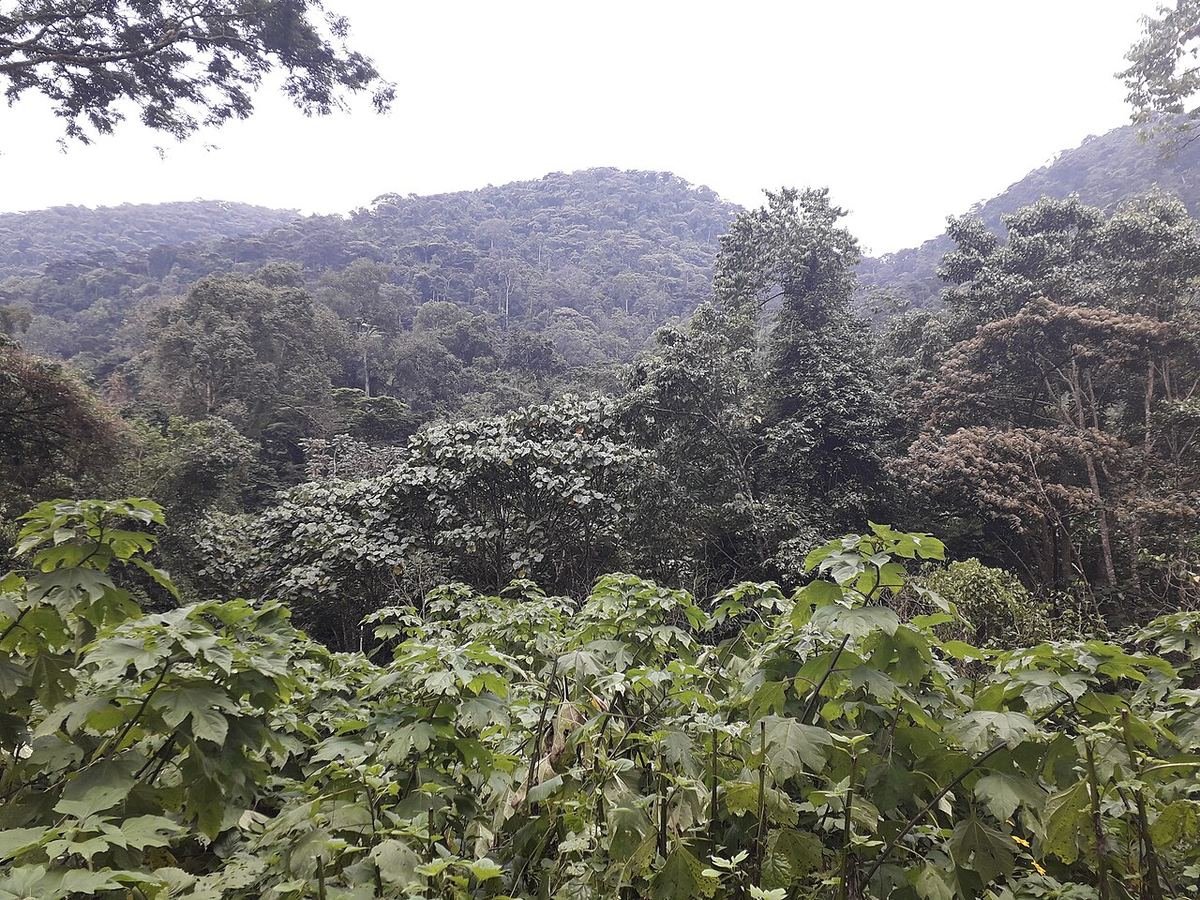
Lake Manyara is one of Tanzania’s smaller national parks, squeezed between the steep wall of the Rift Valley escarpment and a shallow soda lake. What it lacks in size it makes up for in variety: in a single game drive you can pass from shady forest to open floodplain to lake shore. It’s about two hours from Arusha and sits right on the road to Ngorongoro, which makes it an easy and rewarding stop.
The park at a glance
- Established: as a national park in 1960, after starting life as a game reserve.
- The lake: shallow and alkaline, only around three metres deep even when full, and covering a large share of the park.
- Also: part of the Lake Manyara Biosphere Reserve recognised by UNESCO.
- Birds: more than 390 species recorded.
The groundwater forest
Just inside the main gate, the park surprises many visitors with a tall, evergreen forest. It isn’t fed by rain but by water seeping out from the base of the escarpment, which keeps the trees green through the dry season. Troops of olive baboons and blue monkeys move through the canopy, and elephants browse among the trunks. Look out for silvery-cheeked hornbills and crowned eagles overhead.
The soda lake and flamingos
Beyond the forest the land opens out towards the lake, where you’ll find buffalo, zebra, wildebeest, giraffe and a well-known hippo pool. The alkaline water supports algae that feed flamingos, and at times the shallows turn pink with them. Numbers vary a great deal from year to year and season to season, depending on water levels, so we never promise a flamingo spectacle. Pelicans, storks and many waders are more reliable.
On the western shore, the Maji Moto hot springs bubble out at around 60°C, a reminder of the volcanic forces that shaped the Rift Valley.
The tree-climbing lions
Manyara became famous for lions that rest up in the branches of acacia and mahogany trees. It’s a lovely sight when it happens, but please keep expectations realistic: tree-climbing lions are occasionally seen here, not reliably. The park’s lion population is small and sightings of lions in trees are a bonus rather than something any guide can guarantee. In Uganda, the Ishasha sector of Queen Elizabeth National Park is also known for the same behaviour.
The treetop walkway
For a different perspective, the park’s treetop walkway was Tanzania’s first. A series of suspension bridges and platforms runs for about 370 metres through the groundwater forest, rising gently to around 18 metres above the forest floor. It’s a guided walk, suitable for most ages, and a great chance to see birds and monkeys at eye level. There’s a separate fee, which we’ll confirm when we quote.
Beyond the game drive: Mto wa Mbu
Just outside the park gate, the busy market town of Mto wa Mbu (“river of mosquitoes”) is home to people from many different Tanzanian communities, drawn by the fertile, spring-fed land at the foot of the escarpment. A guided village walk or cycle takes you through banana plantations, rice fields and local workshops, and lunch with a local family is a warm, easy introduction to everyday life in northern Tanzania. It’s a nice way to break up a busy safari.
When to go
- June to October: dry-season game viewing, when animals gather near water and the vegetation thins out.
- November to June: the green season is best for birds, including migrants, and often for water birds on the lake.
Where to stay
Most lodges sit up on the escarpment with sweeping views over the lake. Kirurumu Manyara Lodge is a tented lodge on the Rift Valley edge, and Lake Manyara Serena Safari Lodge is on the rim above the lake. For something special inside the park, Lake Manyara Tree Lodge has treehouse suites in a mahogany forest. Many guests also stay around Karatu, between Manyara and Ngorongoro.
Practical tips
- A half or full day is enough for most visitors; combine it with Tarangire or the Ngorongoro Crater.
- Baboons here are bold. Keep windows up and food out of sight when you stop.
- Bring binoculars: the birdlife is the park’s most dependable highlight.
See our Lake Manyara National Park page for more, then talk to us about fitting it into a relaxed northern Tanzania itinerary.
Found this useful? Send it to someone planning a trip.