Between Lake Kyoga and Mount Elgon lies Teso, a flat country of millet fields, granite outcrops and shallow lakes. Soroti is its main city. The Iteso are one of Uganda’s largest peoples, and they also live across the border in western Kenya.
Origins and how the group came to be
The Iteso are part of the Ateker family of peoples, related to the Karamojong, Jie and Turkana, and their language, Ateso, is close to Ngakarimojong. Tradition says their ancestors moved south over many generations, and historians think they were settled in their heartland by the mid-1700s. Some pushed on into western Kenya. In 1902 the colonial border split the two communities, and Kenyan Iteso now live mainly in Busia County.
The Iteso have no king. Their cultural leader is the Emorimor, head of the Iteso Cultural Union. Paul Sande Emolot was installed in Soroti on 22 October 2022, after the death of Augustine Osuban Lemukol, and before taking office he went through asapan, an initiation led by elders. His fourth coronation anniversary was marked in Soroti in October 2026 with a Teso Run.
Day-to-day life
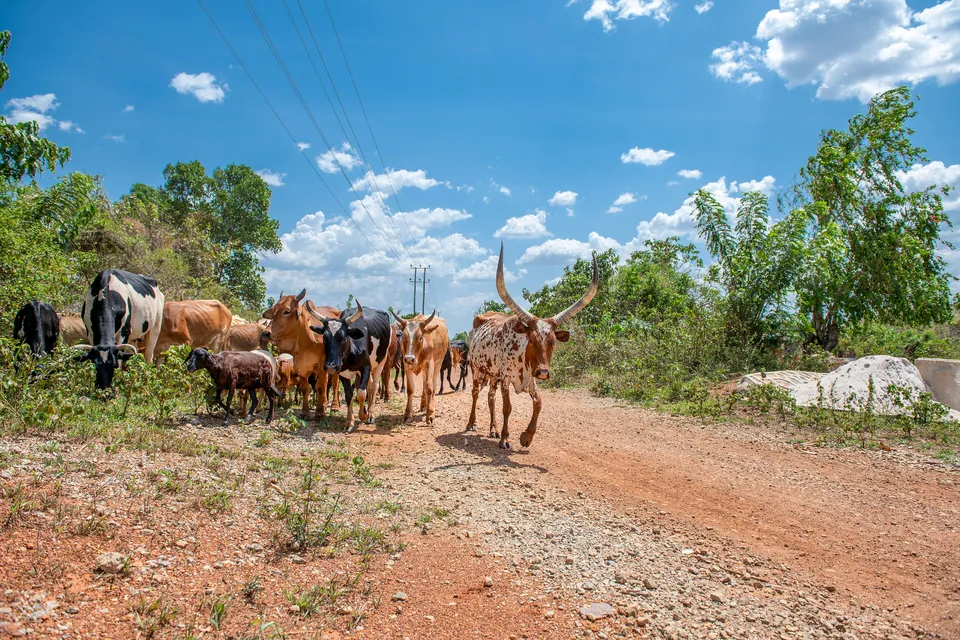
Over the 20th century the Iteso moved from cattle keeping towards farming. Finger millet and sorghum are the old staples, cassava came in the colonial era, and cotton became the cash crop. The Iteso were early adopters of the ox plough, and you still see oxen working the fields. The region suffered heavy cattle raids after 1979 and an insurgency that ended in 1992, but the cattle and farms have slowly come back. Around the lakes, fishing is the main work. Teso districts include Soroti, Kumi, Ngora, Serere, Katakwi, Amuria, Bukedea and Kaberamaido.
Weddings and marriage customs
A marriage joins two clans as well as two people. Bride wealth is traditionally paid in cattle, and the families negotiate the number. Handing over the full amount can take years. Weddings bring music and dancing, with the akogo thumb piano and shared pots of ajon, and most couples also marry in church.
Rituals and ceremonies
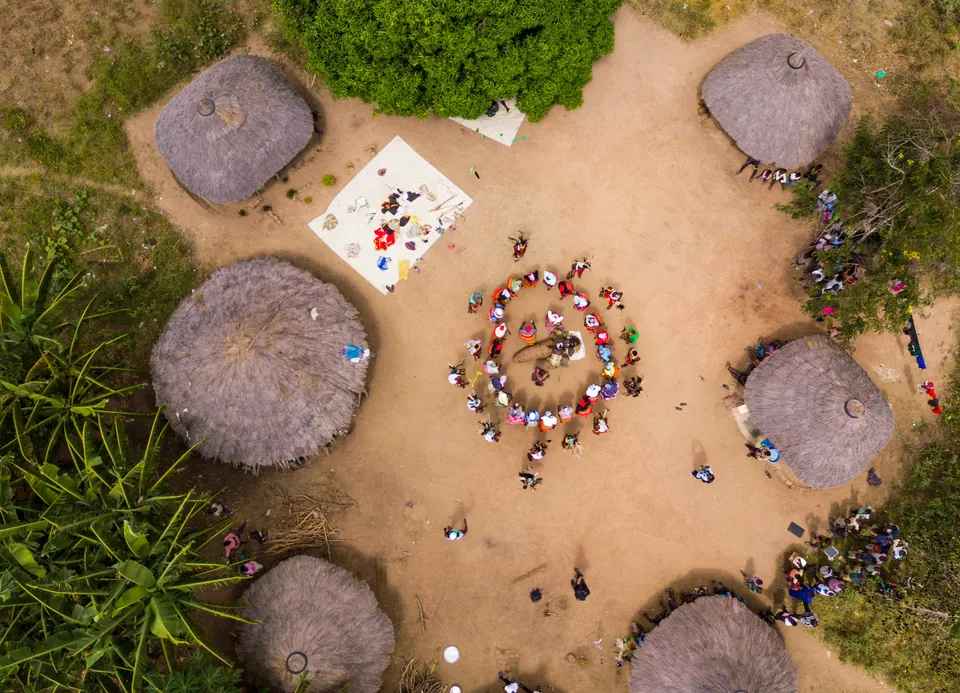
Ajon, the millet drink, is part of almost every ceremony. In the old custom, a new mother stayed at home for three days after giving birth, and a little ajon was placed in the baby’s mouth as a welcome. Twin births, weddings and funerals were all marked with akogo music. Clan elders lead rites within families, and the Emorimor’s coronation anniversary each October has become a big gathering for Iteso and guests from across East Africa.
Music, dance and storytelling
The best-known Iteso instrument is the akogo, a thumb piano played in both hands. It leads the akogo dance, a fast, energetic dance for men and women performed at weddings, funerals and celebrations, and sometimes as a courtship dance. Fewer young people in town play it today, and makers such as the elderly craftsman Okopa Kokas see their work as a way of keeping Teso culture alive. You can see old instruments at the Soroti Museum. Proverbs and stories are still a big part of how elders teach.
Food and culinary experiences
- Atap: millet bread, often mixed with cassava flour, eaten with groundnut or simsim sauce.
- Emugoyo: sweet potatoes mashed with beans.
- Ajon: millet beer, shared from a common pot through long straws at gatherings.
- Fish from Lake Kyoga: fresh or smoked, sold along the lakeshore roads.
Cultural experiences for visitors
- See the ancient Nyero rock paintings near Kumi, one of Uganda’s most important rock art sites.
- Climb Soroti Rock for a view over the town, and look for the akogo at the Soroti Museum.
- Plan around the Emorimor’s coronation anniversary in October for dancing and ceremony.
- Teso fits well between Kampala and Sipi Falls, Mbale or Pian Upe.
Found this useful? Send it to someone planning a trip.