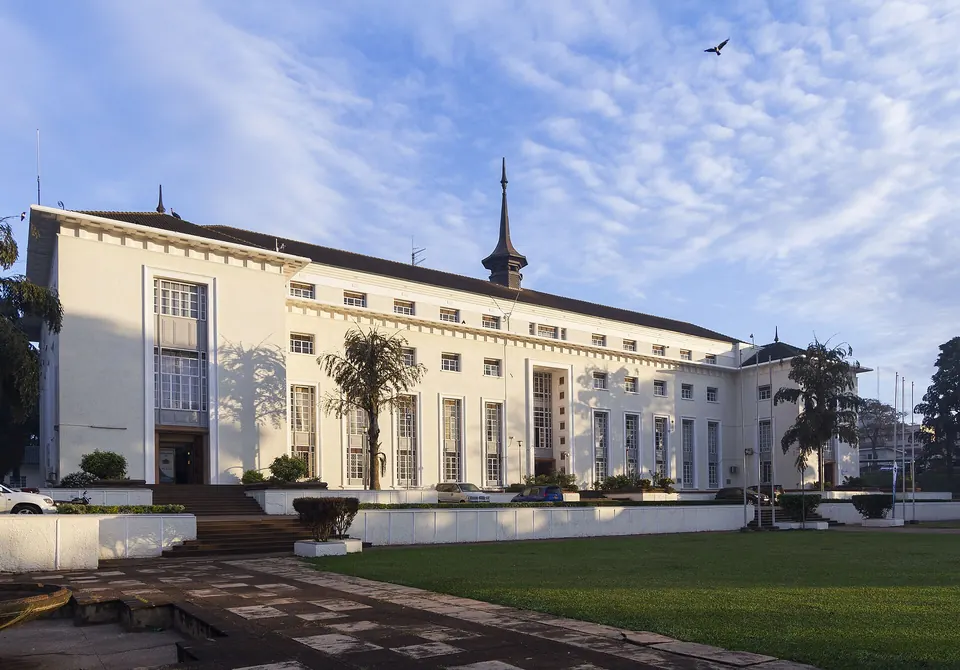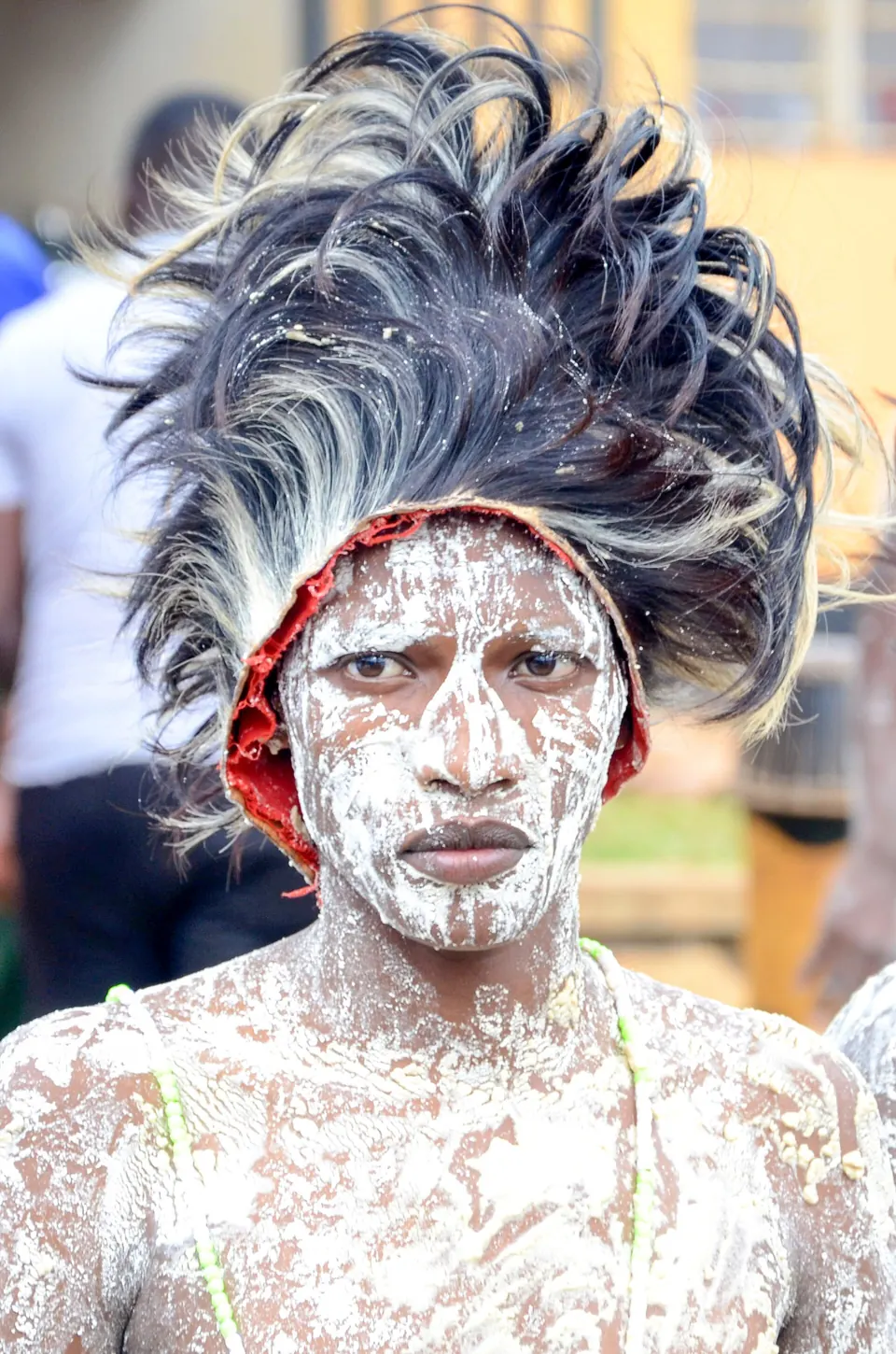
In August of an even-numbered year, the roads around Mbale fill with drumming. Groups of young men, bodies smeared with clay or millet paste, dance from home to home with crowds behind them. This is Imbalu season among the Bagisu, also called the Bamasaba, who live on the western slopes of Mount Elgon in Mbale, Bududa, Sironko, Manafwa, Namisindwa and Bulambuli.
Origins and how the group came to be
Bagisu oral history goes back to Masaba, the ancestor whose name is also the local name for Mount Elgon. In one well-known telling, Masaba fell in love with a Maasai woman named Nabarwa, whose family asked him to be circumcised before they’d agree to the marriage. Their son Mwambu’s nickname is said to have become “Mugisu”. Stories differ, but Masaba is at the root of them all. The Babukusu of western Kenya are close relatives and share many clans.
The Bagisu had no single king before colonial rule. Today the cultural institution is led by the Umukuka. Umukuka Jude Mike Mudoma’s authority was restored by a court consent judgment, but leadership is still disputed, and in 2026 district leaders organised the Imbalu launch.
Day-to-day life
The Bagisu are farmers on rich volcanic soil. Arabica coffee grows on the higher slopes and is famous across the world as Bugisu coffee, sold through farmers’ co-operatives. Families also grow bananas, millet, maize, beans and cassava. Land passes down through families, and plots are small because the slopes are crowded.
Weddings and marriage customs
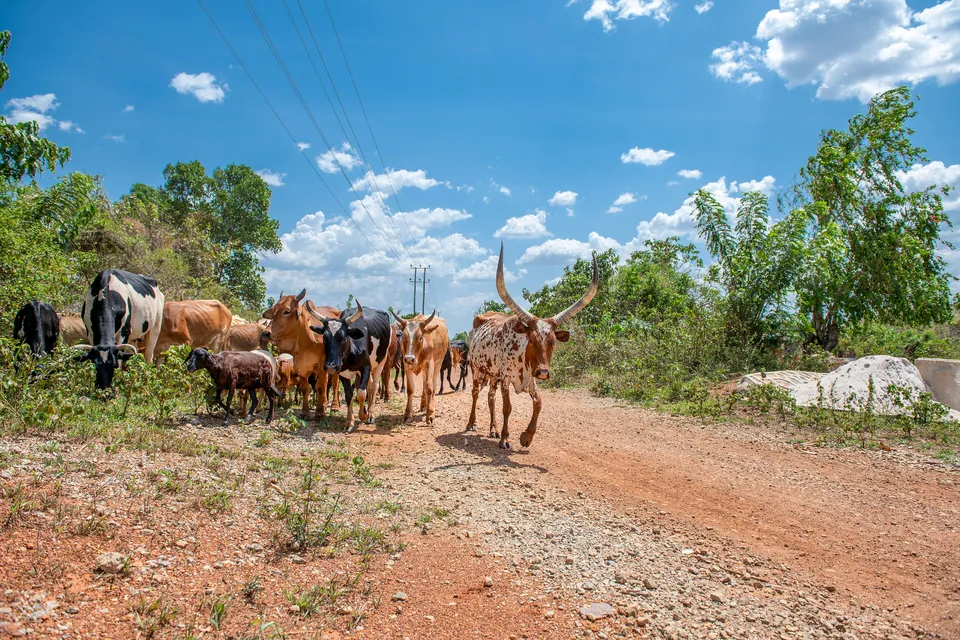
Bagisu marry outside their own clan. In the past, the groom’s father negotiated bride wealth of a few cows, sometimes with goats, and the groom brought gifts such as a hoe or a spear. Feasts were held at both homes, and the harvest season, when there was beer and food to share, was a popular time for weddings. A man was expected to have passed through Imbalu before he married. Today most couples hold an introduction ceremony and a church or mosque wedding.
Rituals and ceremonies
Imbalu is the coming-of-age ceremony for young men, usually 16 and older. It’s a public, traditional circumcision, and a candidate is expected to face it calmly, which brings great pride to his family. The season is opened at the Mutoto cultural ground in Mbale, where the first candidates come from the Bamutoto clan. The 2026 season opened on Saturday 1 August 2026. The next will be in August 2028.
Customs have changed. Families now often use modern medicine during healing, and herbal cleansing has replaced some older practices. Families are also expected to keep the peace during the season.
Music, dance and storytelling
Kadodi is the sound of Imbalu. It’s a dance and a style of music, driven by drums, with flutes, horns and rattles. Dancers escort the candidates, called basinde, to the ceremony grounds, singing songs that praise and challenge them at the same time. Kadodi also turns up at weddings and festivals, and the beat has made its way into modern Ugandan pop. The songs carry the stories of Masaba and the clans.
Food and culinary experiences
The dish to try is malewa, bamboo shoots from the forests of Mount Elgon, smoked or dried and then cooked, often in groundnut sauce. It’s a real Bagisu speciality and is served at ceremonies. Matooke is a staple, and millet bread is eaten at family events. And of course there’s the coffee.
Cultural experiences for visitors
- Join a coffee tour near Sipi Falls, where you pick, roast and grind beans with a farming family.
- Visit during an Imbalu year with a local guide who knows the families. Ask before photographing anyone, and don’t photograph the ceremony itself without clear permission.
- Expect big, loud, happy crowds, and keep valuables out of sight.
- Base yourself in Mbale or Sipi, and hike in Mount Elgon National Park. Our Sipi Falls guide has more.
Found this useful? Send it to someone planning a trip.