
Lake · Western Uganda (shared with DR Congo)
Lake Albert
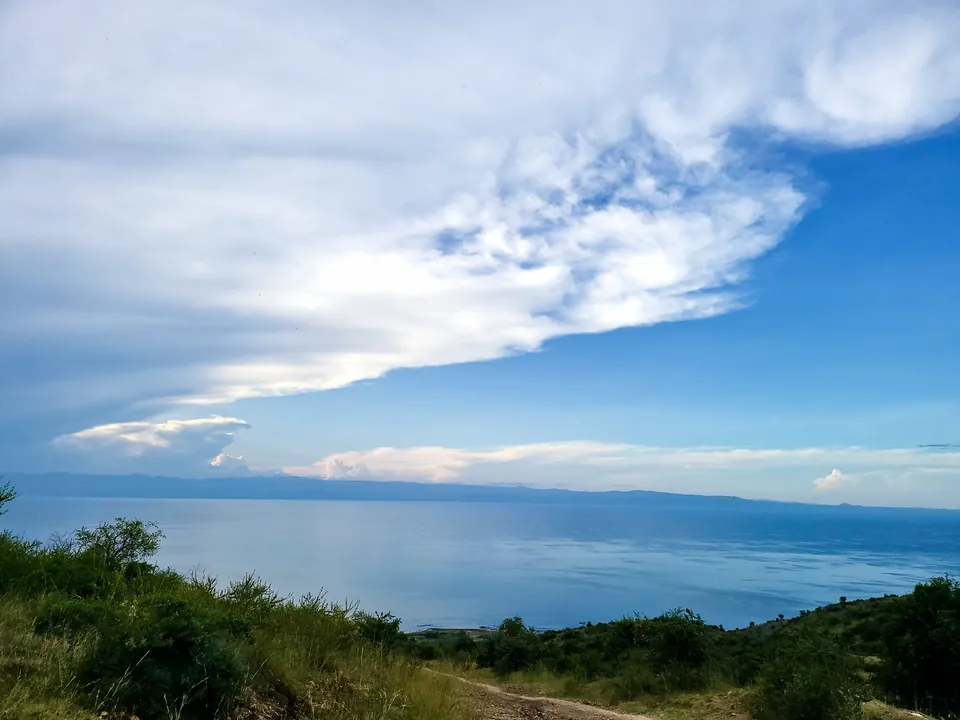
Africa’s sixth largest lake, about 160 km long, in the Albertine Rift below the Congo mountains.
How to get there
Reached via Hoima to Butiaba or Kabwoya, via Murchison Falls to the delta, or via Fort Portal to Ntoroko.
What to find
Steep rift escarpment, fishing towns, the Murchison delta and its shoebills.
Overview
Lake Albert lies on the border between Uganda and the DR Congo, at the northern end of the Albertine Rift. It is about 160 km long and 30 km wide at its widest, covering about 5,590 km², and it sits low in the rift at about 619 metres above sea level. The Banyoro and Batooro call it Mwitanzige, and Samuel and Florence Baker named it after Prince Albert in 1864.
The Victoria Nile and the Semliki River flow into it, and the Albert Nile flows out to the north. Its fisheries are some of the most important in Uganda. In recent years oil fields along the Ugandan shore have been developed, so you may see new roads and works in places.
Highlights
- The Murchison Falls delta, where the Nile enters the lake
- Shoebills in the delta papyrus
- Fishing towns like Butiaba and Wanseko
- Big views from the rift escarpment
Things to do
Delta boat trip
From Paraa in Murchison Falls National Park, one of the best shoebill trips in Uganda.
Escarpment drive
Drive down the rift wall towards Butiaba or Kabwoya for wide lake views.
Fishing village visit
See the morning catch come in at the landing sites.
Best time to visit
All year. The dry seasons, December to February and June to August, are best for the delta and for the escarpment roads.
Getting there
From Kampala, drive to Hoima, then down the escarpment to the lake. For the delta, go via Masindi to Murchison Falls National Park. In the south, reach Ntoroko through Fort Portal and the Semliki valley.
Where to stay
Stay in Murchison Falls National Park, at lodges in the Kabwoya area, or in Hoima.
See accommodation options in Uganda →
Good to know
- The lake can get rough quickly, so wear a life jacket on boats.
- It’s hot down in the rift, so carry water and sunscreen.
- Don’t photograph oil installations or security sites.
Permit prices, park rules and access can change. We always confirm the latest details when we plan your trip.
Related guides