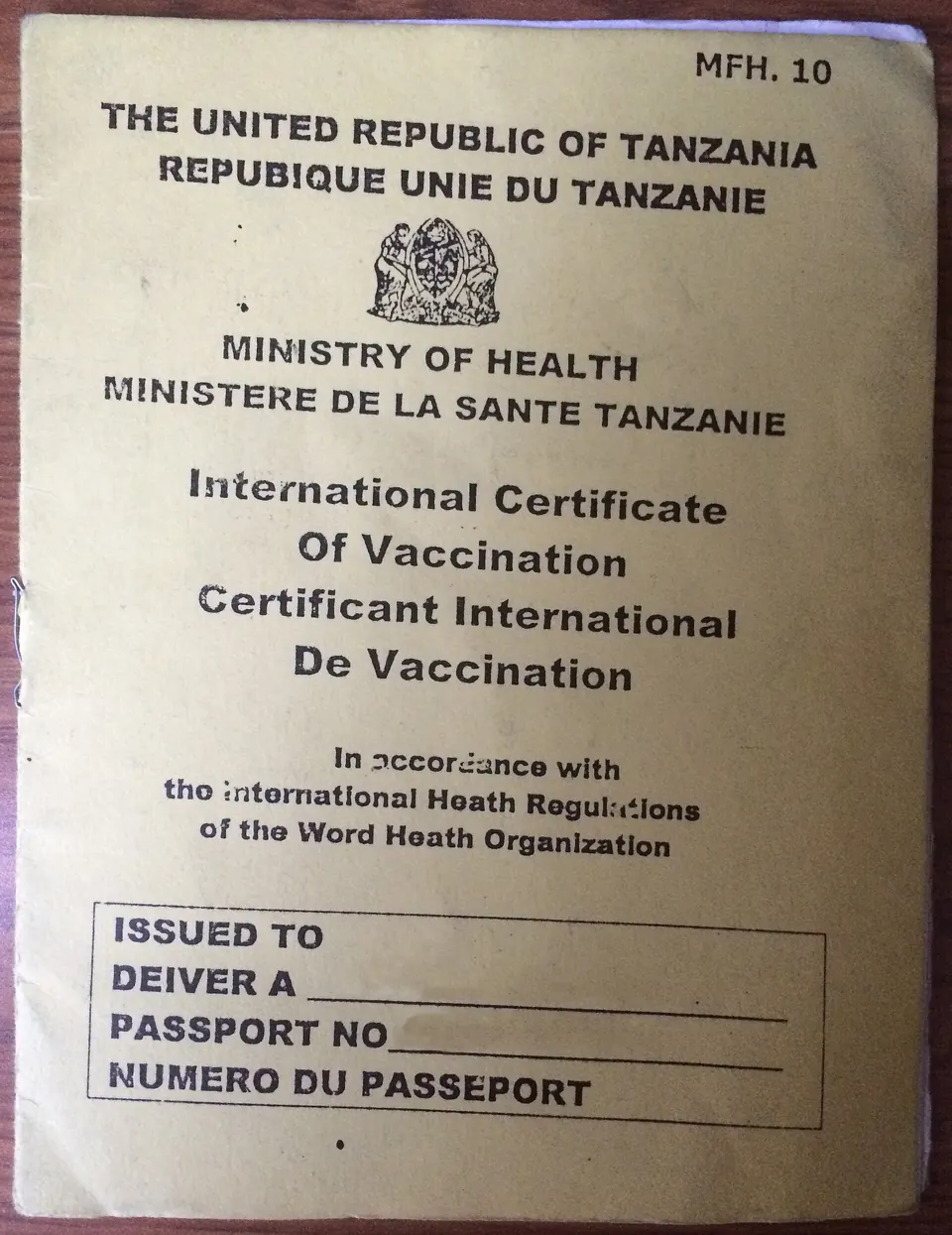
For years, a yellow fever card was one of the first things checked when you landed at Entebbe. That changed on 2 October 2026, when Uganda’s Directorate of Citizenship and Immigration Control removed the certificate as a condition of entry. But don’t throw your card away just yet.
Who still needs a card
- Anyone going on to Kenya, Rwanda or Tanzania. These countries can ask for proof of yellow fever vaccination from travellers aged one and over who arrive from Uganda, because Uganda is a yellow fever risk country. If your safari crosses a border, carry the card.
- Ugandans travelling abroad. Many countries, and some airlines, ask for it when you come from Uganda. Check the rules of the country you’re going to, and any country you transit.
- Your own health. Yellow fever is still present in parts of Uganda, and the vaccine is still recommended for most travellers by health authorities such as the WHO and the CDC. Talk to your doctor or a travel clinic.
Rules change, so we check the latest position for every border on your trip before you travel.
How to get a card in Uganda
- Go to an approved vaccination centre. Government health centres, including KCCA clinics in Kampala, and a number of private travel clinics give the vaccine. Ask the Ministry of Health or your nearest district health office which sites are approved.
- Take your passport or National ID. The name on the card must match your travel document.
- Get the jab at least 10 days before you travel. The certificate only becomes valid 10 days after vaccination.
- Check the card before you leave. It should carry your name, date of birth, the date, the vaccine batch number, the clinician’s signature and the official stamp of the centre.
Prices vary between public and private clinics, so ask when you book. One dose now gives lifelong protection, and a certificate dated ten days or more after vaccination is valid for life.
Avoid fake cards
In 2024 Uganda’s Ministry of Health warned that people were selling yellow fever cards without vaccinating anyone, including around Entebbe airport. A fake card leaves you unprotected and can get you turned back at another border. Only accept a card from a real clinic, after you’ve actually had the vaccine.
Children, pregnancy and medical exemptions
The vaccine isn’t usually given to babies under nine months, and pregnant women, older travellers and people with weak immune systems should get medical advice first. If a doctor says you shouldn’t be vaccinated, ask for a signed exemption letter on official paper and carry it with your passport.
More on travel papers
See our travel documents page for passports and visas, and our guide to staying healthy on safari. This page is general information, not medical advice.
Found this useful? Send it to someone planning a trip.