
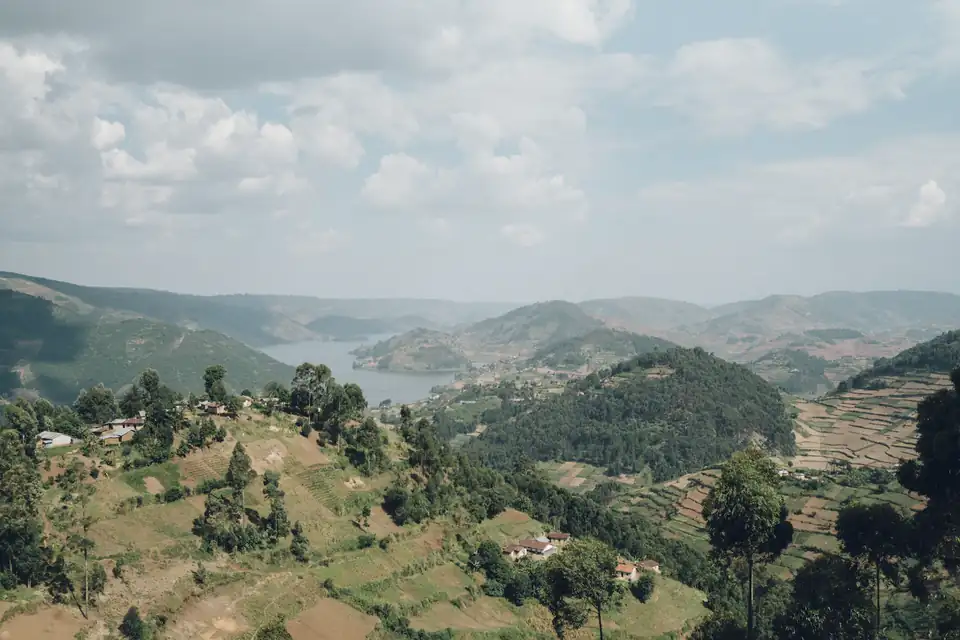

Uganda sits on the Equator, so there’s no real winter. Days are warm all year and the highlands are cool at night. What changes is the rain. The good news is that gorillas, chimps and most wildlife can be seen in every month. The best time for you depends on what you want to see, and how you feel about mud.
The seasons in brief
- Drier seasons: roughly December to February, and June to August or September. Firmer trails, easier game viewing, and the busiest months for gorilla permits.
- Wetter seasons: roughly March to May, and October to November. Greener, quieter, and gorilla permits are discounted in April, May and November.
- The far north is different. In Kidepo Valley, the dry season runs roughly from September to March.
These are patterns, not promises. It can rain in the dry season, especially in the rainforests, and the “rainy” months often bring sunny mornings and afternoon storms.
Month by month
- January: dry and warm. Excellent for gorillas, chimps and game drives. Migrant birds from Europe and Asia are here. Book permits early.
- February: often the driest month. Great for Murchison Falls, Queen Elizabeth and climbing in the Rwenzoris.
- March: the rains usually begin. Still good travelling, with fewer people and lush landscapes.
- April: one of the wettest months. Gorilla permits drop to US$600 (no date changes allowed). Great for travellers with fixed dates and a sense of adventure.
- May: still wet, still discounted, and very green. Many resident birds are breeding.
- June: the dry season returns. Martyrs’ Day on 3 June draws huge crowds of pilgrims to the Namugongo shrine near Kampala, so plan around it, or join it.
- July: peak season. Excellent for everything, and the most in demand. Book gorilla permits three to six months ahead.
- August: peak season continues. Good for combining Uganda with Rwanda or Kenya.
- September: usually still quite dry in the south, with showers building towards the end of the month. Kidepo’s dry season begins.
- October: the short rains. Uganda’s Independence Day is 9 October. Quieter parks and good availability.
- November: green and fresh. Gorilla permits are discounted again, and migrant birds start to arrive. In 2026, the Nyege Nyege music festival is scheduled for 19 to 22 November.
- December: drier weather returns, and it’s busy over Christmas and New Year. Book early.
By interest
- Gorilla trekking: all year. Drier months give easier trails. Wetter months give discounts and availability. Our guide to the best time for gorilla trekking goes deeper.
- Chimpanzees: all year in Kibale. Sightings don’t depend much on season.
- Game drives: best in the dry months, when animals gather near water and grass is shorter.
- Birding: good all year, with over 1,000 species recorded in Uganda. November to April adds migrants from Europe and Asia. The shoebill at Mabamba can be seen year-round.
- Climbing: the Rwenzoris and Mount Elgon are best from late December to February and June to August.
- Waterfalls: Sipi and Murchison are most powerful in and after the rains.
Good to know
- Pack a light rain jacket in every season. Bwindi and Kibale are rainforests.
- Roads to some lodges get slippery after heavy rain, so we build extra time into wet-season itineraries.
- For peak months, the gorilla permit decides your dates. Secure it first, then build the trip around it.
There’s no bad month to visit Uganda, only different ones. Tell us when you can travel and what matters most to you, and we’ll tell you honestly what to expect.
Found this useful? Send it to someone planning a trip.


